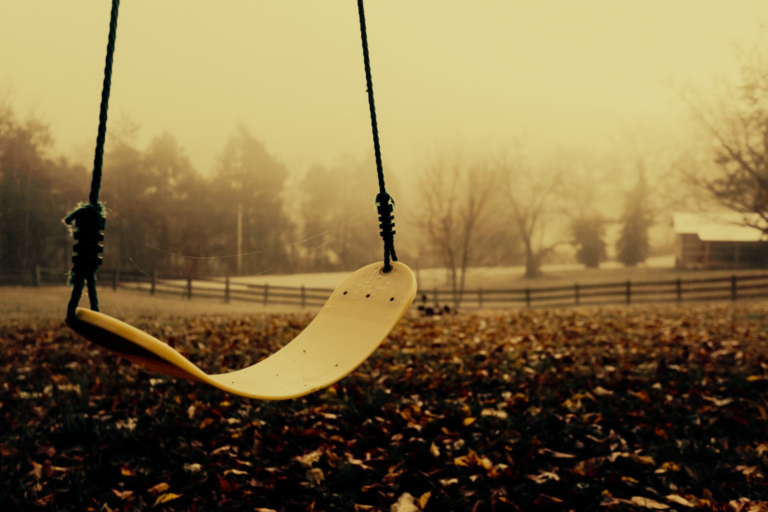
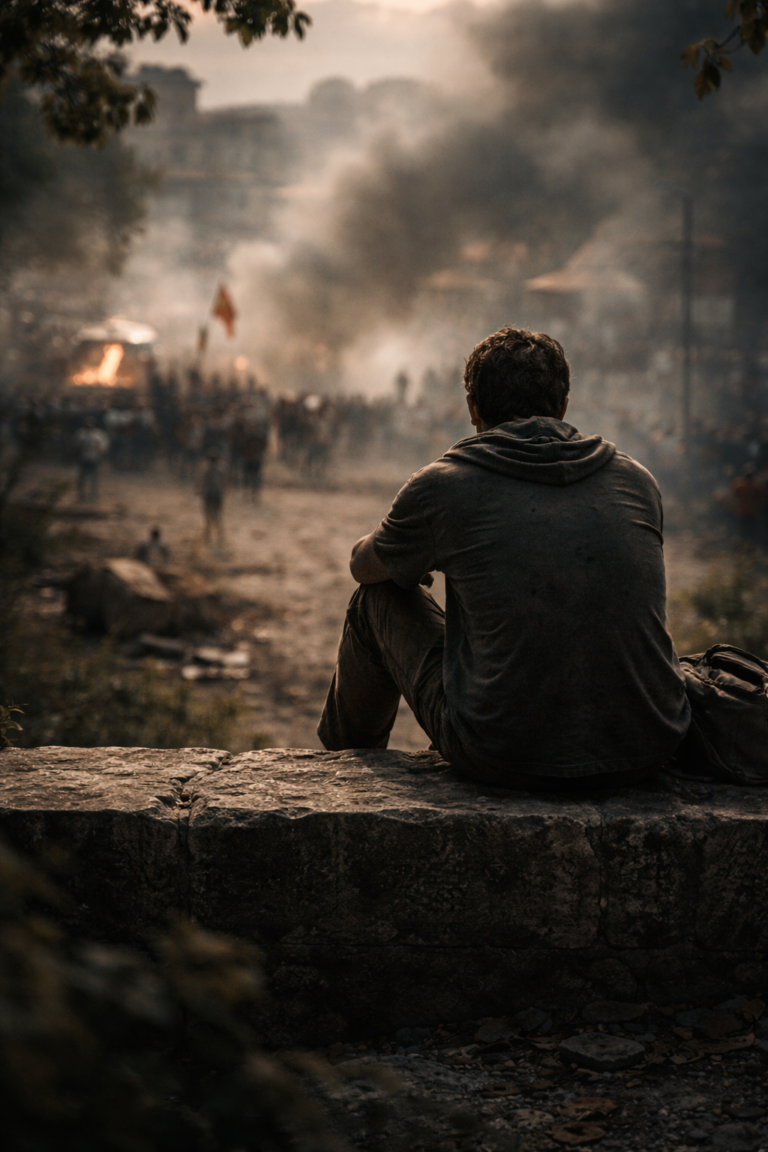
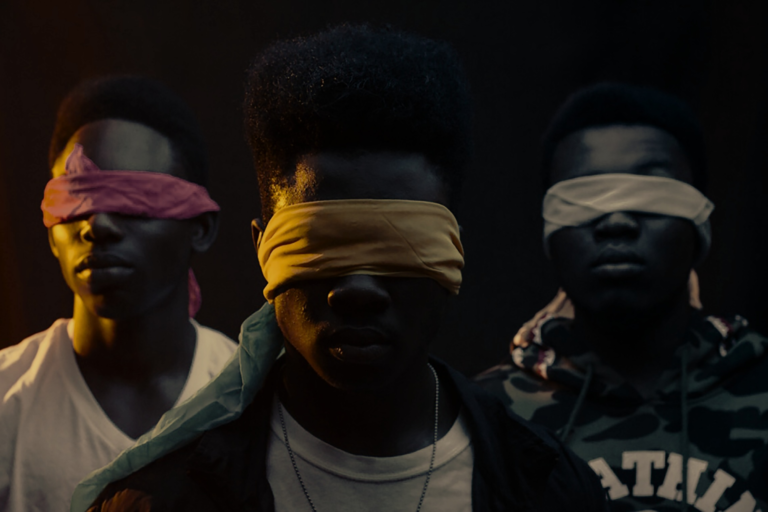
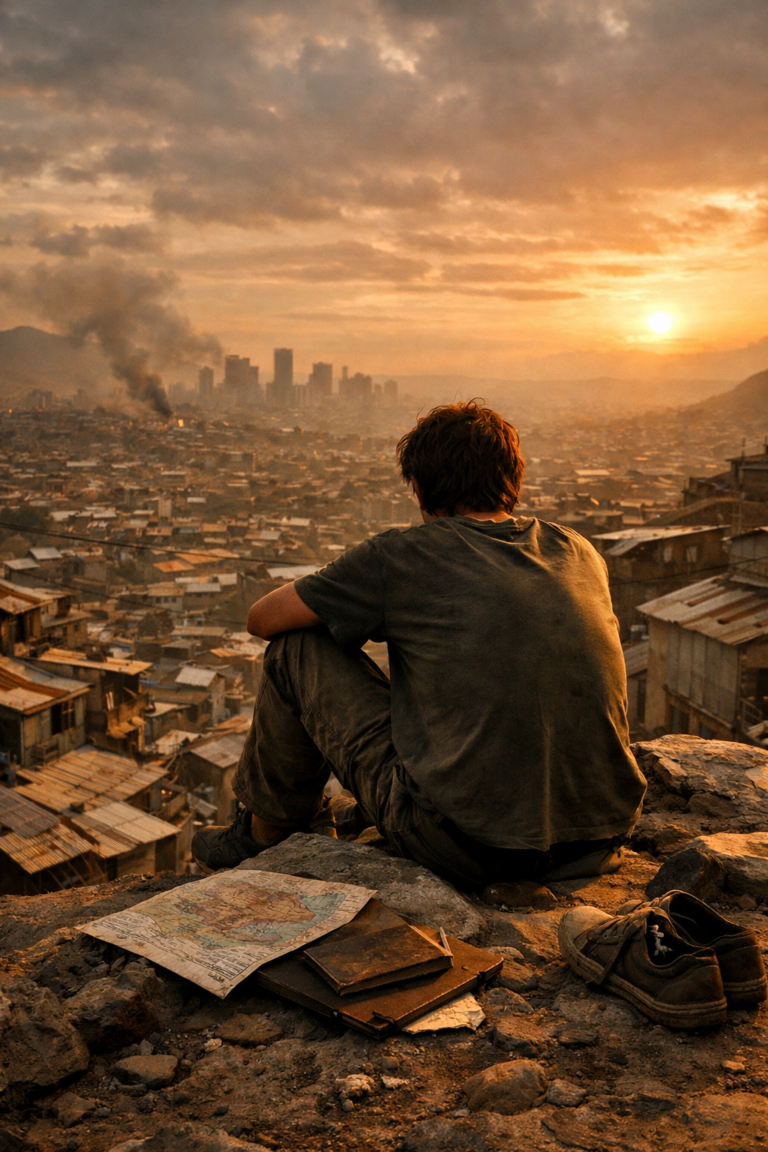
Many people are not tired because they do too much. They are tired because rest never truly arrives. What looks like resilience from the outside is often nothing more than continuous endurance.
In certain environments, life unfolds under conditions of permanent uncertainty. Income is unstable. Electricity appears and disappears without explanation. Water must be planned for, rationed, anticipated. Rent is a recurring threat. Safety is never assumed. Institutions exist, but reliability does not follow automatically.
Improvisation becomes a daily skill. Not creativity for pleasure, but necessity for survival. Every plan is provisional. Every sense of stability is temporary. Even moments of calm carry the awareness that they may end abruptly.
This kind of existence shapes the inner world. Not gradually, but persistently. The nervous system learns to stay awake. The mind learns to scan for danger. The body learns that relaxing might be unsafe.
What emerges from this is often misunderstood.
Catastrophic thinking is not pessimism — it is preparation. Passing on alarming news is not cruelty — it is an attempt to warn, to protect, to stay ahead of the next blow. Mistrust is not a flaw — it is the result of promises that did not hold.
Emotions surface quickly, sometimes sharply. Not because people lack depth, but because pressure accumulates without release. There is little space for processing, no pause for integration. Feelings spill into the open because there is nowhere else for them to go.
Drama becomes a form of communication. Not to manipulate, but to be seen. To make invisible weight audible. Hope rises fast because it must — without hope, movement stops. Disappointment follows just as quickly because experience has taught restraint.
Facts blend with rumors. Belief merges with fear. Spiritual language, intuition, hearsay, and reality overlap. Not out of confusion, but because certainty is rare and explanations are scarce.
In stable systems, many of these patterns would be analyzed, labeled, treated. Here, they are lived. Daily. In public. Without diagnosis, without therapy, without the luxury of distance.
There is no time to ask what this does to the psyche. No space to unpack the cumulative effect. Survival leaves little room for reflection.
This does not mean people are broken. It means they are continuously demanded to function without repair. Overused, not defective. Required to adapt again and again, often without recognition of the cost.
Understanding this does not excuse harm. It does not erase responsibility. But it changes the lens. It shifts the question away from individual failure and toward systemic pressure.
Not “Why are people like this?” but “What conditions made this necessary?”
And perhaps the most uncomfortable question remains unanswered: what happens to a society when survival is no longer a phase — but a permanent state?
📝 Text Signal from Inktales
Sometimes a new story appears.
Subscribe to receive a short signal when a new post is live.
No schedules. No extra mail. Only when something is new.
Quietly, you’ll be notified when a new thought appears.