Many believe that nomads, especially minimalist ones, escape responsibility. That their freedom comes at the cost of accountability. That they avoid consequences by moving from place to place. But the reality is far subtler, far more demanding.
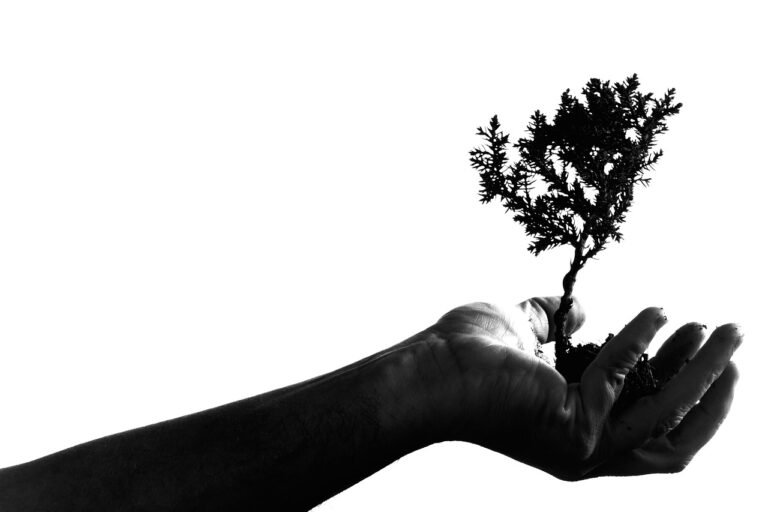
Movement alone does not create freedom. A nomad is not liberated simply because their surroundings change. A nomad’s freedom is forged internally, in the steady cultivation of awareness, discernment, and resilience. It is not the change of location that makes a nomad free, but their inner attitude.
Minimalist nomads weigh their choices carefully. They do not take on every responsibility that presents itself. Instead, they measure the value and cost of each obligation, often prioritizing what sustains them over what drains them. This is not avoidance—it is a conscious engagement with life’s limits, an understanding of what is meaningful.
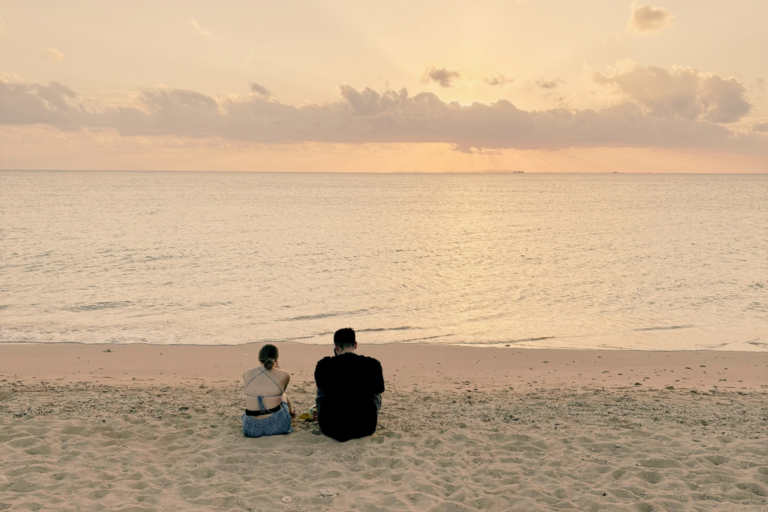
To live minimally and nomadically is to face the self repeatedly. Every new environment demands observation, assessment, and adaptation. People arrive, systems shift, expectations are implicit or absent. Here, the nomad cannot rely on structures to dictate behavior; they must read situations, judge intentions, and act decisively, often without guidance.
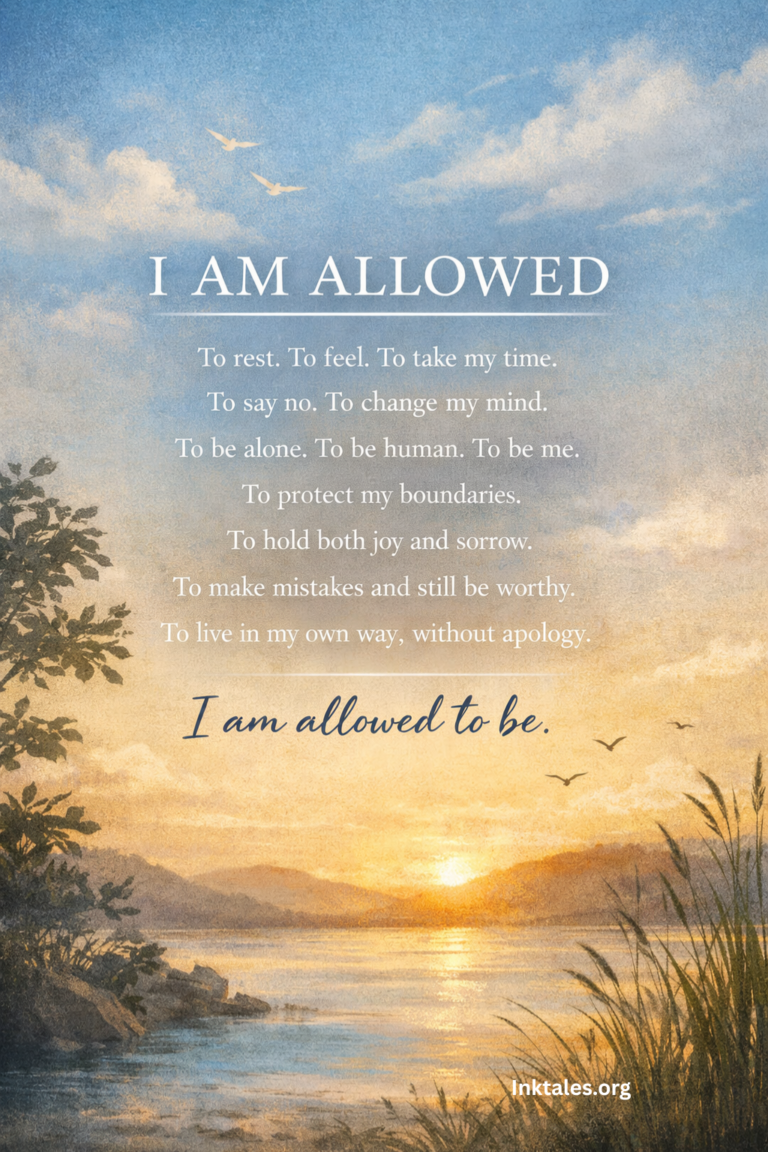
Such an existence cultivates a rare clarity. The minimalist nomad becomes self-reliant without becoming isolated, observant without becoming cynical, and adaptable without being malleable. They learn boundaries, not only with others but with themselves. They discover when to engage fully and when to step back. They understand that compromise is not surrender, but strategy.
Contrary to popular perception, minimalism and movement do not equal avoidance or lack of depth. Every choice, every departure, every adaptation is an exercise in responsibility. Every encounter teaches lessons about human behavior, systems, and the self. Even constraints—limited possessions, fleeting connections, transient spaces—become mirrors reflecting strengths, weaknesses, and priorities.
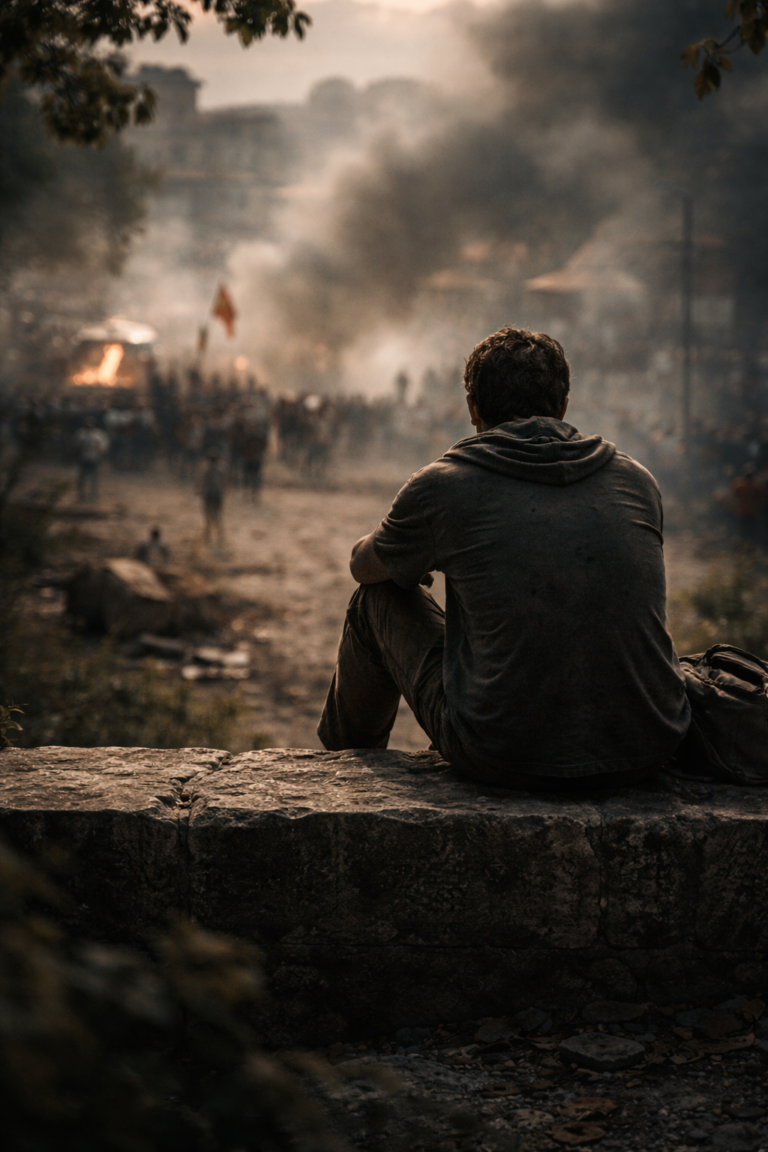
There is a quiet courage in this. Minimalist nomads are not “fast buyers” of comfort or convenience; they learn patience, endurance, and discernment through necessity. They engage with the world on its terms, not only their own. They confront uncertainty and discomfort because there is no alternative that preserves coherence. Nomadic life is not a flight from challenge—it is a constant negotiation with reality.
And through it all, the freedom of a nomad is subtle, almost invisible. It does not shout. It does not announce itself. It is the ability to move without losing oneself, to adapt without dissolving, to remain anchored in one’s values amidst impermanence. The places may change, the faces may fade, the systems may fail—but the inner alignment endures.
In this light, the minimalist nomad is not lighter because of what they carry. They are lighter because they have learned to carry only what is essential: their perception, their attention, their choices, and the steady cultivation of inner grounding. They are self-aware navigators in a world that is constantly shifting, not because of their surroundings, but because of the strength and clarity of their internal compass.
Movement, therefore, is not the measure of freedom. Presence, choice, and inner posture are. And in embracing this, the minimalist nomad discovers what most miss: that true liberty lies not in escaping, but in engaging, observing, reflecting, and acting with quiet integrity wherever life places them.
📝 Text Signal from Inktales
Sometimes a new story appears.
Subscribe to receive a short signal when a new post is live.
No schedules. No extra mail. Only when something is new.
Quietly, you’ll be notified when a new thought appears.