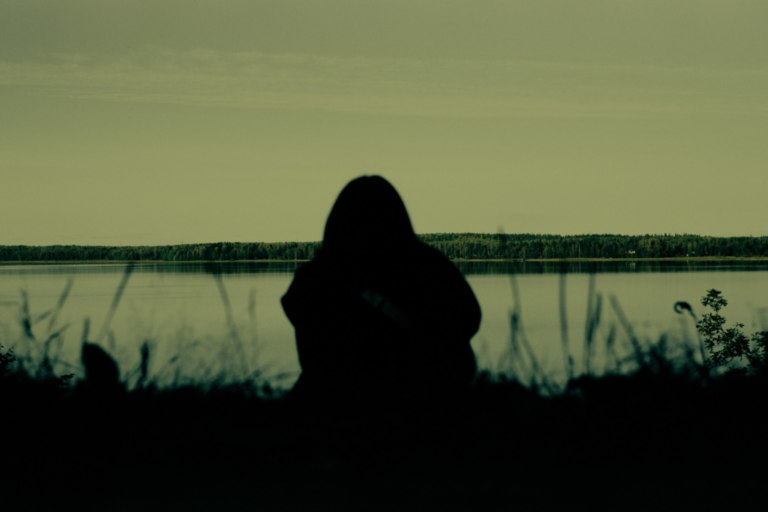
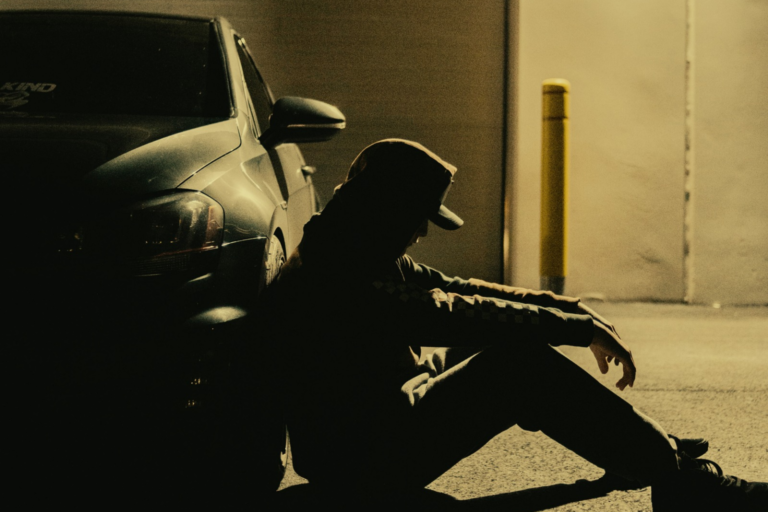
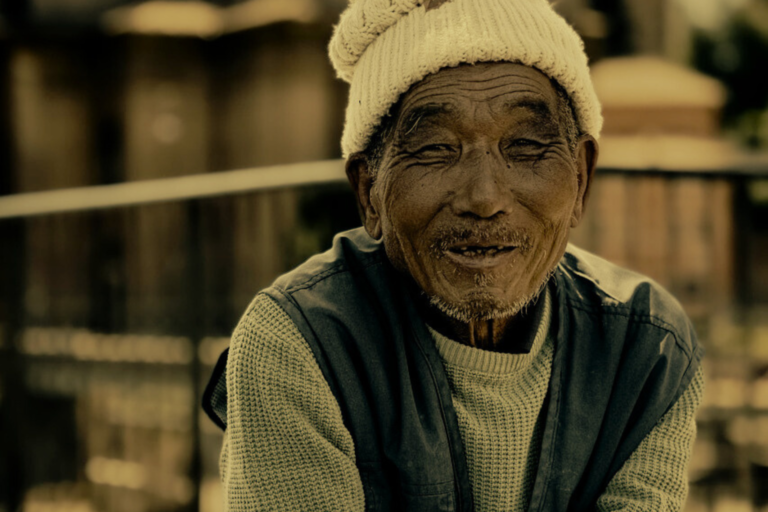
Some people are not broken. They carry on, day after day, because the world demands it. Their bodies ache from constant labor, their minds strain under unrelenting pressure, and their communities move like machines on the edge of collapse, held together by sheer endurance. There is no pause, no day off, no quiet place to catch a breath. The rhythm of survival is continuous, and yet the people keep going. They are not defeated—they are overused.
Every morning begins with calculation. Food, water, work, family obligations, neighborhood responsibilities: all require attention, all require energy. Fatigue is normal, exhaustion expected, and still there is more to do than one person can ever complete. Bodies respond, minds adapt, communities stretch further than they were built to stretch. This is not resilience in a heroic sense; it is maintenance under strain, a constant balancing act that the world rarely notices.
Communities themselves carry weight. The networks of care, trust, and mutual support are under constant pressure, holding people together like threads in an overstretched fabric. Any gap, any absent hand, any moment of negligence can unravel what has taken years to sustain. And yet people keep showing up. They organize, share, protect, and guide, often silently, often without recognition, because the system does not provide relief, only more demand.
This overuse is not limited to the streets or homes. NGOs, aid organizations, volunteers—well-meaning outsiders often encounter this energy and mistake it for brokenness. They see exhaustion, they see the cracks, and they try to fix it, not always understanding that these people are not broken—they are operating at maximum capacity. Offering advice, programs, or interventions without recognizing the rhythm of life here risks misunderstanding, or even causing more strain. True understanding comes only after observation, listening, and learning the way these communities hold themselves together under pressure.
Fatigue has its own language. It is visible in movements, in gestures, in decisions made with caution. It is present in every parent managing children while navigating scarcity, in every worker balancing multiple jobs, in every community leader negotiating invisible systems of trust. Overuse is not weakness. It is human endurance stretched beyond comfort, beyond recognition, beyond the expectation of relief. And it is constant—an almost invisible pressure that shapes bodies, minds, and relationships.
Even hope exists differently here. It is tempered by reality, measured in small victories, delayed gratification, fleeting moments of rest. People do not stop dreaming entirely, but dreaming is compacted, organized around survival, and folded into everyday operations. It exists quietly, sometimes as a conversation, sometimes as a brief pause, sometimes in the knowledge that even without change, the next day must be met with energy, attention, and care. The world may not notice, the system may not accommodate, but life continues, not broken, only overused.
📝 Text Signal from Inktales
Sometimes a new story appears.
Subscribe to receive a short signal when a new post is live.
No schedules. No extra mail. Only when something is new.
Quietly, you’ll be notified when a new thought appears.