There was a time when movement was not strategy.
Life unfolded without accumulation. Without plans meant to secure the future. Situations were solved creatively, often without money, often without certainty. Not because resources were abundant, but because flexibility was.
Even when plans existed, they rarely survived intact. The world offered alternatives — unexpected paths that could not have been imagined in advance. And when they appeared, they were chosen. Not out of recklessness, but out of openness.
This way of living simplified everything.
Money lost its urgency. It became a tool among others, not the axis around which decisions revolved. Needs grew quieter. Markets could be crossed without desire attaching itself to objects. Wanting faded into observation.
It was light.
Then something shifted.
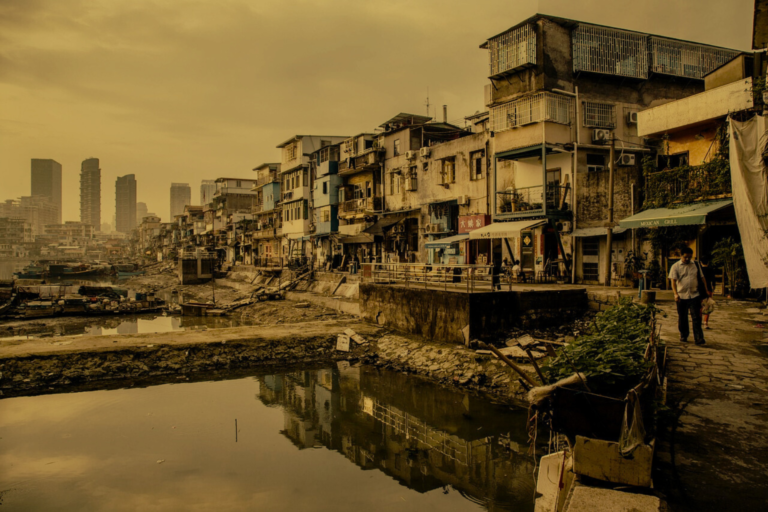
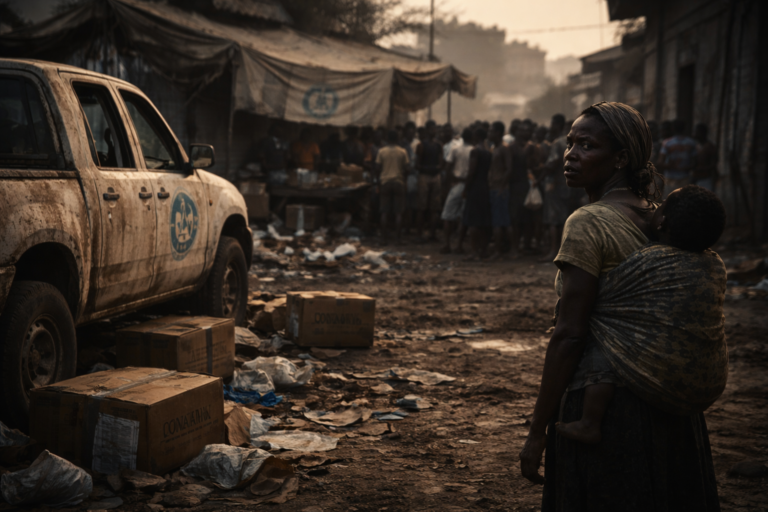
In certain environments, accumulation is not excess — it is aspiration. Even where resources are scarce, systems of value remain tightly bound to capital, ownership, progress. People do not simply live; they negotiate status, security, possibility.
And slowly, almost unnoticed, this logic seeps inward.
Attention moves from being to building. From presence to structure. From adaptability to strategy. The mind begins to calculate again — income, growth, sustainability. Each time the sense arises that it might be time to move on, another opportunity appears. Another project. Another reason to stay.
It is not an inferior way of living.
It is, in many ways, impressive.
But it carries weight.
Function returns. The nervous system tightens. Life becomes productive again. Purposeful. Measurable. The body remembers how to perform, even if the soul grows quieter in the background.
At some point, awareness returns.
Not as rebellion. Not as rejection of what has been built. But as recognition.
A simple sentence surfaces, without urgency or justification:
I am a nomad.
And suddenly, something releases.
Not because movement resumes, but because identity realigns. Nomadism is no longer confused with distance or escape. It is understood as orientation — an inner posture toward life. One that values responsiveness over possession, attentiveness over accumulation.
Being a nomad does not mean refusing responsibility. It means choosing which responsibilities shape you — and which ones quietly hollow you out.
Perhaps this way of living lasts a season. Perhaps it returns again and again. Perhaps it never fully leaves.
Even the nomad does not know.
And maybe that is the point.
📝 Text Signal from Inktales
Sometimes a new story appears.
Subscribe to receive a short signal when a new post is live.
No schedules. No extra mail. Only when something is new.
Quietly, you’ll be notified when a new thought appears.