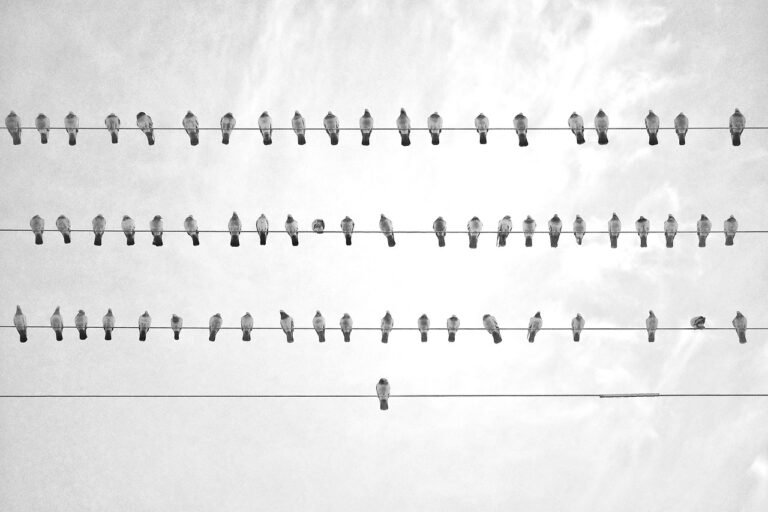
We often measure life by what seems scarce or abundant, by what can be bought or earned. Yet there are places, ways of living, where these measures are invisible, irrelevant, or even misleading. In some communities, what outsiders perceive as need is simply life as it has always been. Nothing is missing, nothing requires repair. The world as it is, with its rhythms, knowledge, and traditions, is already enough.
This does not make desires universal, nor does it erase the subtler threads of longing. Humans everywhere seek connection, understanding, safety, and dignity. But how these desires are expressed, fulfilled, or even recognized depends on context, on history, on the invisible systems that shape daily life. What looks like lack from afar may be a deliberate balance, a self-sufficiency, a preservation of what is essential.
The contrast is stark. Those who come with offers, guidance, or aid rarely see this world as it is from within. They translate needs through the lens of their own experience, assuming that solutions must look familiar, structured, or material. Yet survival, growth, and fulfillment take countless forms, many of them imperceptible to eyes trained only to quantify.
Reflection begins when we notice that values are not uniform. The question is not how to impose understanding, but how to recognize it, how to see the many ways life organizes itself, and how to accept that one perspective—even well-intentioned, educated, or experienced—can never contain the whole truth.
📝 Text Signal from Inktales
Sometimes a new story appears.
Subscribe to receive a short signal when a new post is live.
No schedules. No extra mail. Only when something is new.
Quietly, you’ll be notified when a new thought appears.