There is a weight in the air when assistance turns transactional. When aid is packaged, branded, and delivered according to protocols, it can begin to feel less like support and more like a commodity. The intentions may be good, but the human experience is quietly altered.
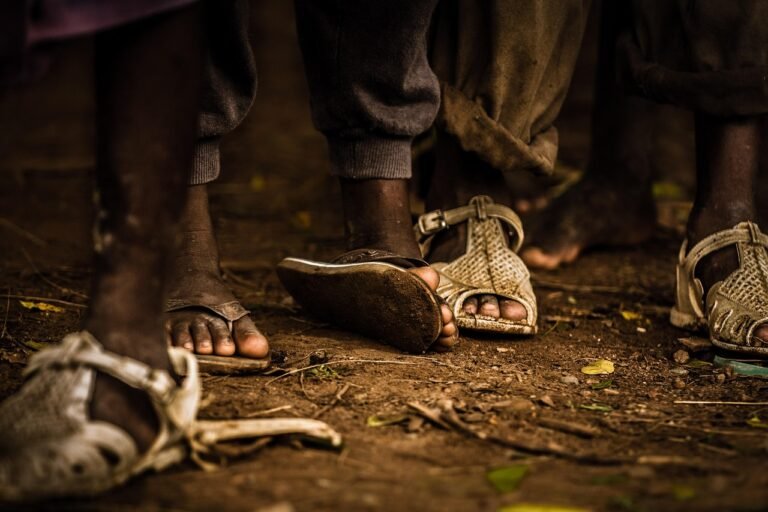
In the streets and villages where help arrives, eyes are watching. Not everyone is grateful. Some are wary. Some are exhausted. The need is real, immediate, sometimes desperate—but the language of assistance often speaks of numbers, reports, and visibility rather than of people.
NGOs, donors, and agencies operate in a delicate ecosystem of accountability. Reporting, branding, fundraising: these are necessary for survival. Yet each report, each photo, each campaign subtly shapes who is worthy of attention. Dignity becomes a negotiation, a condition for recognition, a line item in a budget. Those who are “seen” benefit; those who are not, remain invisible.
Trust becomes currency. Communities learn quickly which gestures are genuine and which serve a story, a press release, a social media feed. They navigate smiles and forms with care, knowing that asking for help can mean surrendering a piece of autonomy. Pride and survival, quietly intertwined, are at stake.
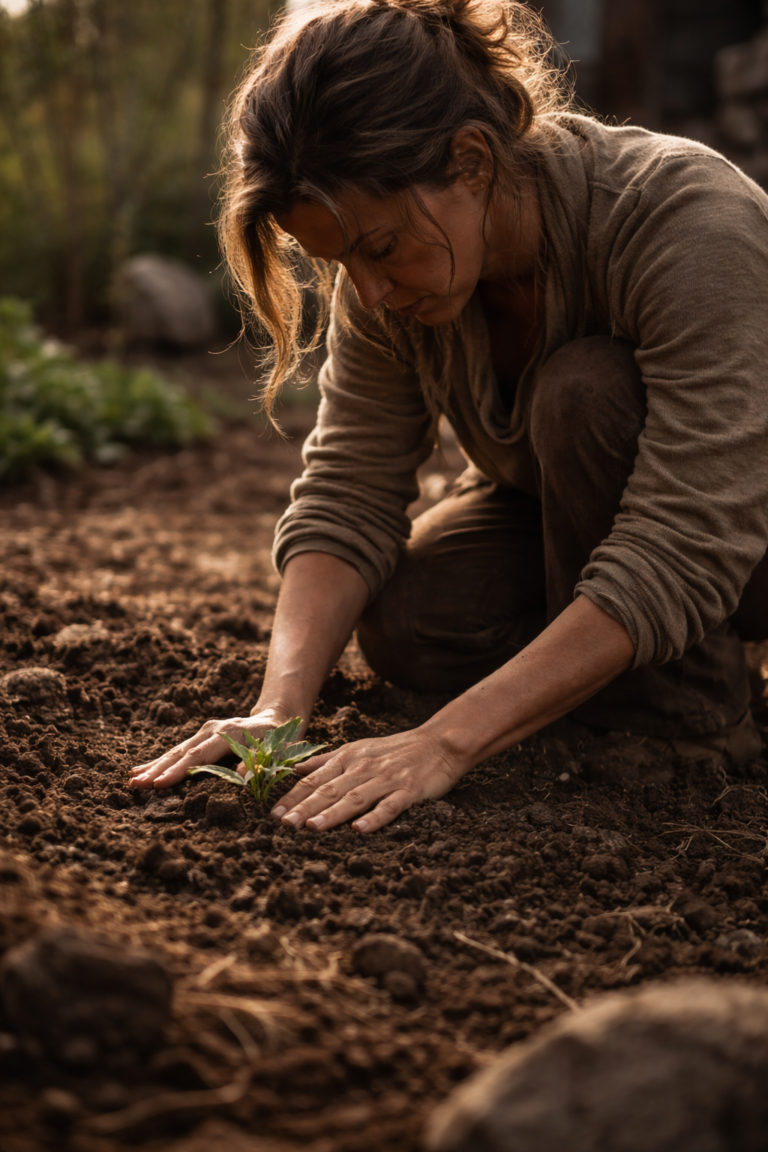
And yet, in the midst of this, human resilience persists. Quiet acts of courage, persistence, and creativity continue. People find ways to meet their own needs, to support neighbors, to maintain a sense of self beyond the ledger of aid. Dignity survives in these small, often unseen choices.
What happens when help becomes a business is not simple. It is not dramatic, not violent, not easily visible. It is subtle: a hesitation before asking, a calculation of what to reveal, a careful weighing of pride against need. It is in these pauses that the essence of humanity shows itself, quietly, without fanfare, without applause.
The question is not whether help is needed—it always is. The question is whether the systems that deliver it can honor the people they aim to serve, without reducing lives to transactions, stories, or numbers. And whether those receiving aid can preserve dignity, even when survival depends on accepting it.
📝 Text Signal from Inktales
Sometimes a new story appears.
Subscribe to receive a short signal when a new post is live.
No schedules. No extra mail. Only when something is new.
Quietly, you’ll be notified when a new thought appears.