Not all help fails because it is selfish. Some help fails because it misunderstands the life it tries to protect.
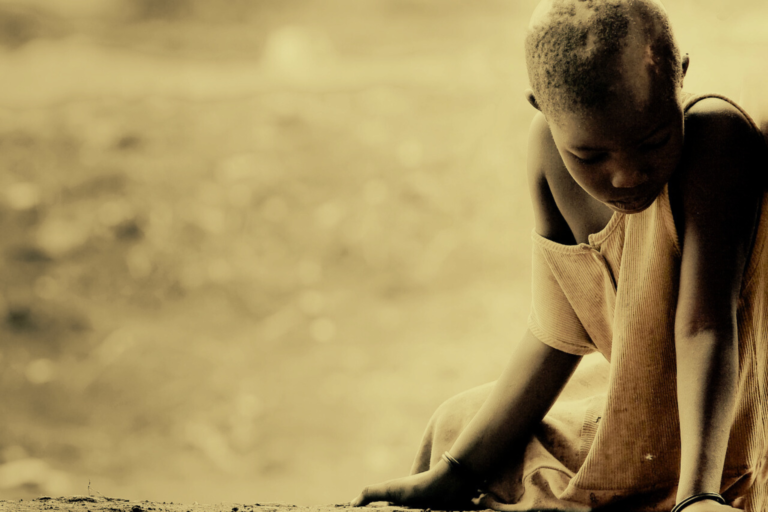
There are places where aid arrives generously—shoes, food, education, structure. And yet, the results confuse the helpers. Resources disappear. Priorities seem misplaced. Celebrations replace long-term planning. What was meant to stabilize appears to dissolve.
From the outside, this looks like irresponsibility. From within, it often isn’t.
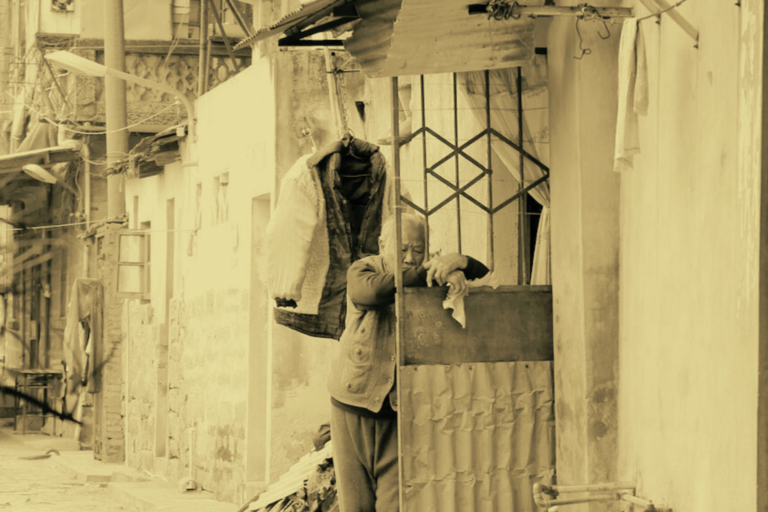
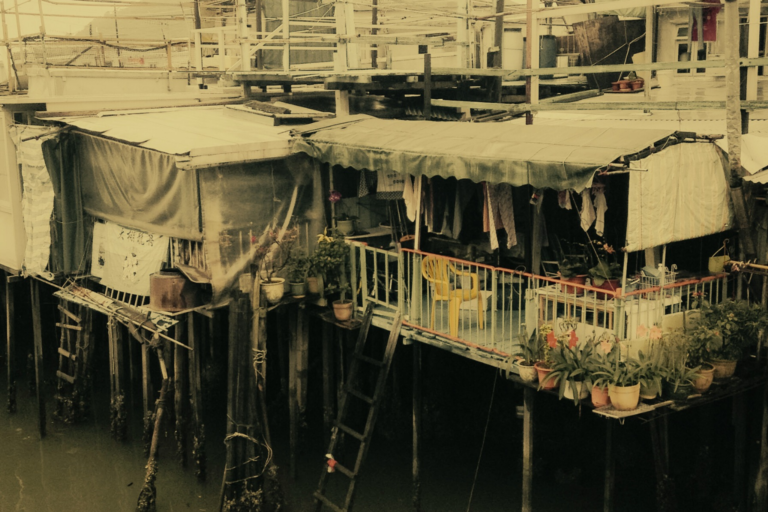
In environments where life is lived day to day, tomorrow is not a reliable concept. What exists now must be used now. Survival is immediate, not strategic. Celebration is not denial—it is a response to uncertainty.
Many aid structures are built by people from buffered systems. Systems where continuity is assumed. Where saving for later is logical. Where protection feels like care.
But when these structures meet cultures shaped by instability, friction emerges. Not because one side lacks values, but because values are organized differently.
Some cultures survive by flexibility, not accumulation. By movement, not preservation. By adaptation, not control. When aid arrives with expectations attached—how resources should be used, what progress should look like—it quietly introduces a new rulebook.
This is where good intentions begin to harden.
Protection, when imposed, can become confinement. Care, when structured without consent, can feel like control. And help, when blind to context, can fracture trust.
It is tempting to believe that safety must look the same everywhere. That structure is universally beneficial. That stability can be transferred intact.
But safety is not neutral. It carries cultural assumptions. And structure, when mismatched, can function like a cage.
Imagine a bird that has lived its entire life navigating open skies, storms, scarcity, risk. Someone builds a cage for it—spacious, clean, supplied daily with food and water. The intention is kindness. Protection. Security.
The bird may accept the food. It may recognize the care. But it will never experience the bars as love.
The helper sees safety. The bird experiences restriction. Both are telling the truth.
This is the quiet tragedy of failed help. Not cruelty, but misalignment. Not malice, but misunderstanding.
The deeper question is not whether help should exist, but whether it is willing to transform itself. Whether it seeks to reshape a culture into familiar structures—or whether it dares to learn what survival already looks like there.
Because to protect without listening is to replace one danger with another. And to help without humility is to risk breaking what was never meant to be fixed.
Some lives are not waiting to be reorganized. They are waiting to be understood.
📝 Text Signal from Inktales
Sometimes a new story appears.
Subscribe to receive a short signal when a new post is live.
No schedules. No extra mail. Only when something is new.
Quietly, you’ll be notified when a new thought appears.