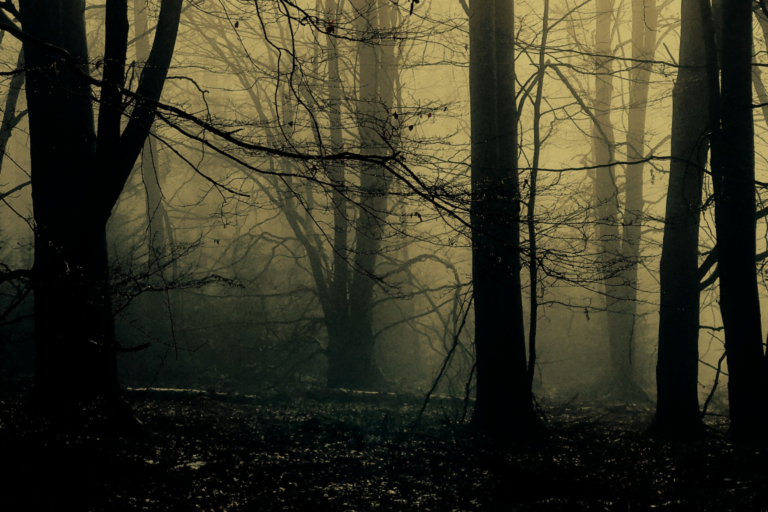
There is a quiet shift that happens when survival becomes the central concern. Dreams fade slowly, almost unnoticed, until the future is not imagined but managed. Every decision is measured by what it takes to get through the next day: food, safety, money, shelter. Planning beyond this moment feels dangerous, unnecessary, or even foolish. The mind learns to focus on immediacy, because what cannot be secured now may never come.
Children grow up in this rhythm, learning to prioritize need over possibility. They watch adults navigate streets, markets, and broken systems with caution and calculation. Ambitions are set aside, postponed, sometimes buried entirely. Education, creativity, leisure—luxuries that exist in theory, but in practice are replaced by strategies for survival. Even hope becomes conditional: it cannot be trusted, it must be earned, it must align with what can be controlled.
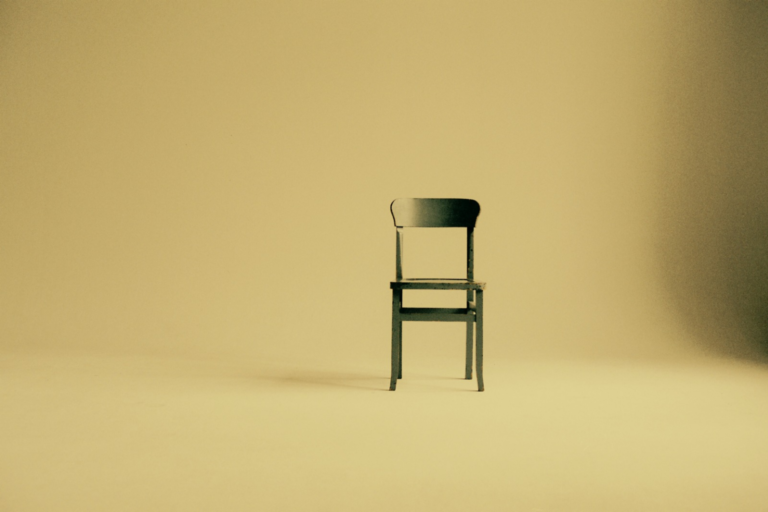
Adults carry the same weight. Opportunities appear, but fear and past disappointments shape every choice. Trust is scarce. Asking for help risks exposure. Waiting for change risks being left behind. In such environments, dreaming is not rebellion—it is a vulnerability. Survival becomes the main narrative, the central strategy, and the only guarantee is the next breath, the next step, the next necessary action. And over time, that focus can feel permanent, as if imagining a different life is no longer possible, or no longer safe.
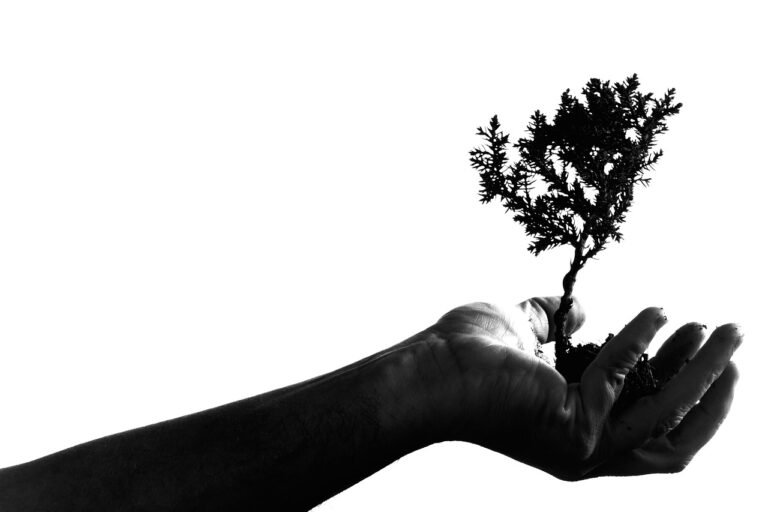
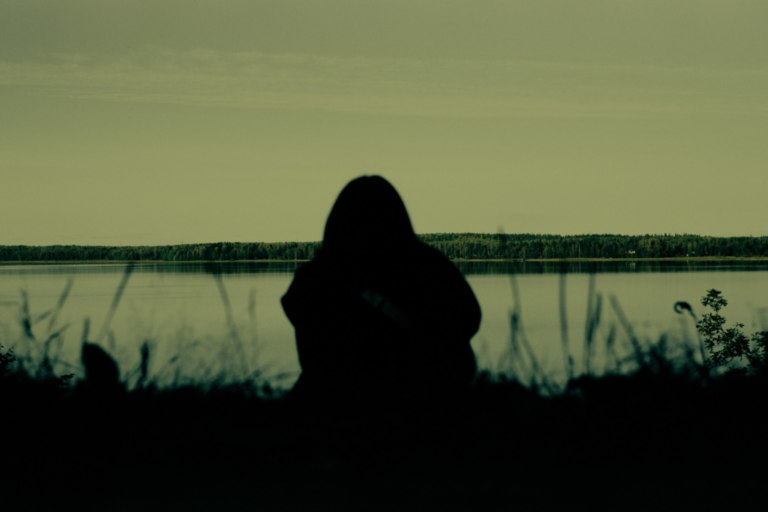
Yet traces of the future remain in small acts. A whispered conversation, a fleeting thought, a question about “what if” that surfaces in quiet moments. Even in a life defined by survival, the mind sometimes touches what is lost or postponed. But the horizon remains distant, obscured by the weight of immediate need. Survival is no longer a stage of life—it is life itself, and dreaming exists only in fragments, in spaces carved out from exhaustion and caution.
📝 Text Signal from Inktales
Sometimes a new story appears.
Subscribe to receive a short signal when a new post is live.
No schedules. No extra mail. Only when something is new.
Quietly, you’ll be notified when a new thought appears.