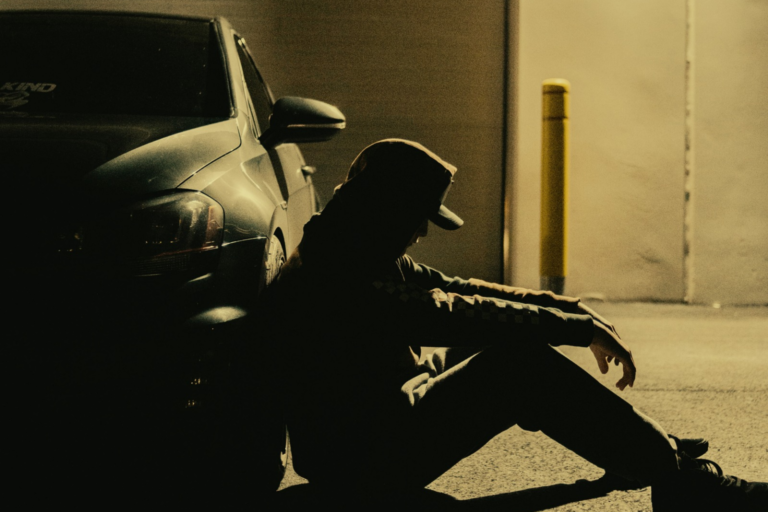
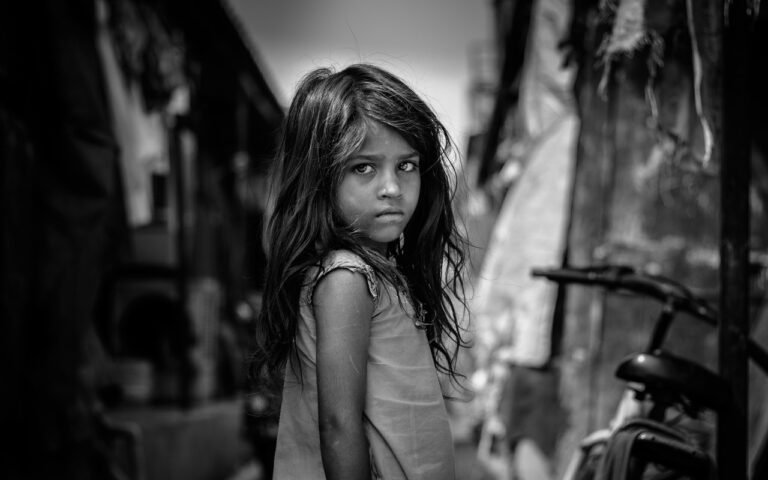
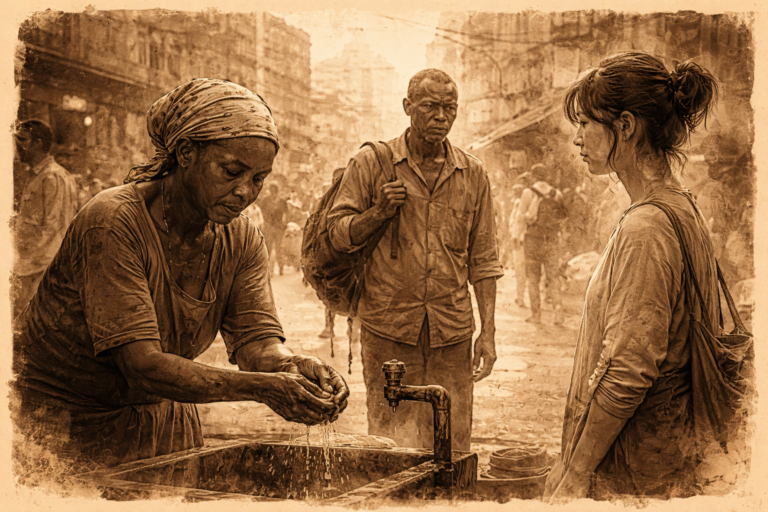
Conflicts often look simple from a distance. Clear lines. Clear sides. Clear answers. And yet, the closer you get, the less clarity remains.
People rarely choose to become symbols, to be defined by fear or by expectation. Yet that is exactly what happens. Revolutionary acts, resistance, compliance, survival—they are reduced to labels, misread through lenses that only see what they want to see.
Some claim certainty. They speak as though study and observation grant omniscience. They point to examples, to failures, to places where systems faltered, and conclude that the whole story is written in advance. But knowing about something is not the same as knowing inside it.
Revolutions, movements, acts of defiance do not exist in isolation. They are the product of pressure, history, trauma, and necessity. The environment shapes them as much as ideology. And those who are not part of the movement—those who exist on the other side—are not always opponents. Often, they are merely human beings caught in suspicion, reduced to threats they may never be.
Generalization becomes a weapon. Entire communities are explained through single narratives. Complexity disappears. Context vanishes. Outcomes are attributed to identity rather than circumstance. And when evidence is cited—camps, failures, visible extremes—it rarely tells the whole story. External influences, inherited pressures, the weight of history: all of it is ignored.
The most dangerous illusion is believing that one perspective contains the whole truth. There are not two sides. There are countless truths, overlapping, incomplete, often contradictory. To refuse to choose sides is not indecision. It is recognition. It is refusing to reduce human lives to arguments.
This applies beyond politics, beyond ideology, beyond religion. Systems that demand total alignment stop listening. And when listening ends, understanding ends. The hardest stance is not choosing a side. It is staying open. Accepting uncertainty. Admitting that no one—no matter how educated, experienced, or well-intentioned—ever holds the complete picture.
The question is not who is right. The question is whether cycles built on fear, simplification, and inherited narratives can ever be broken, or whether certainty will continue to be mistaken for truth.
📝 Text Signal from Inktales
Sometimes a new story appears.
Subscribe to receive a short signal when a new post is live.
No schedules. No extra mail. Only when something is new.
Quietly, you’ll be notified when a new thought appears.