She said it casually, almost as an observation rather than praise.
“Mama, it’s always like this with you. First comes the excitement. Then you get upset, or low. And then—at some point—you start to understand the people. The systems. And that’s when it really becomes interesting.”
It wasn’t framed as admiration. It wasn’t criticism either. It was said the way one might describe weather patterns, or tides. Something recurring. Predictable. Human.
I sat with her words longer than expected.
Because she was right.
There is always that first phase: the lightness. Arrival. Curiosity. The illusion that movement alone equals freedom. New places tend to welcome us with surface kindness—colors, sounds, novelty that briefly suspends judgment. The world feels open. Manageable.
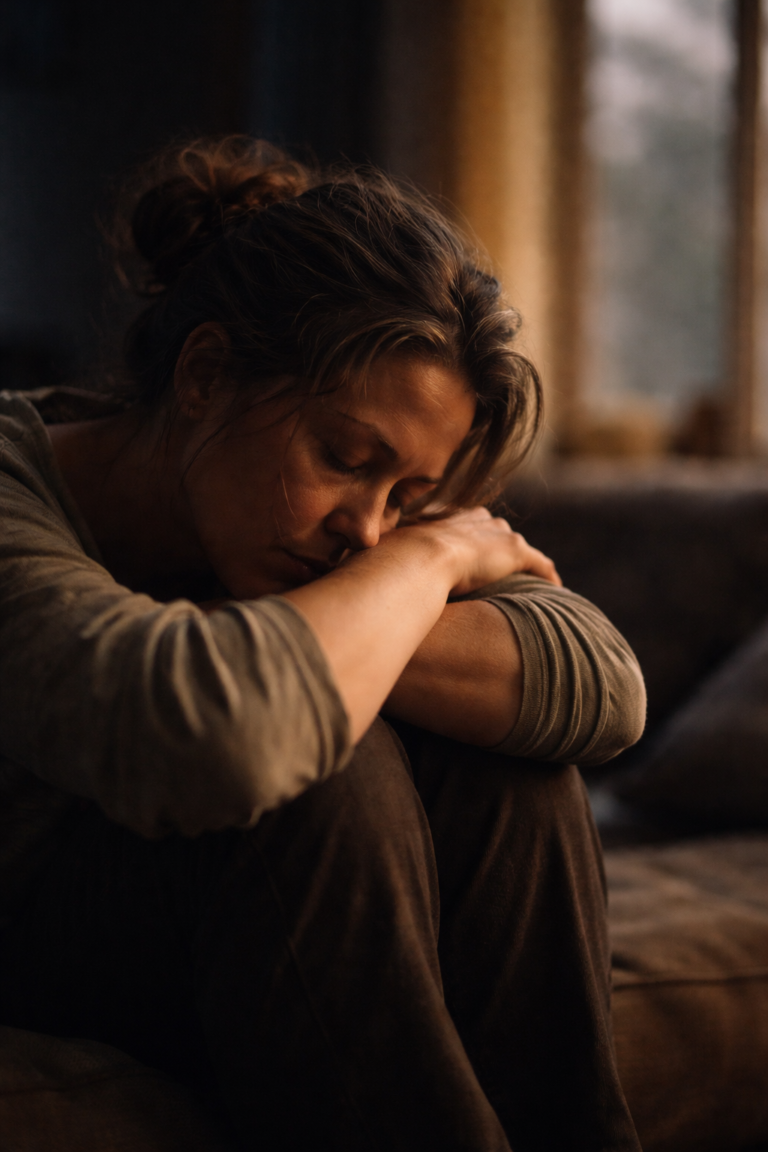
Then comes the second phase. The uncomfortable one. Where the rhythm breaks.
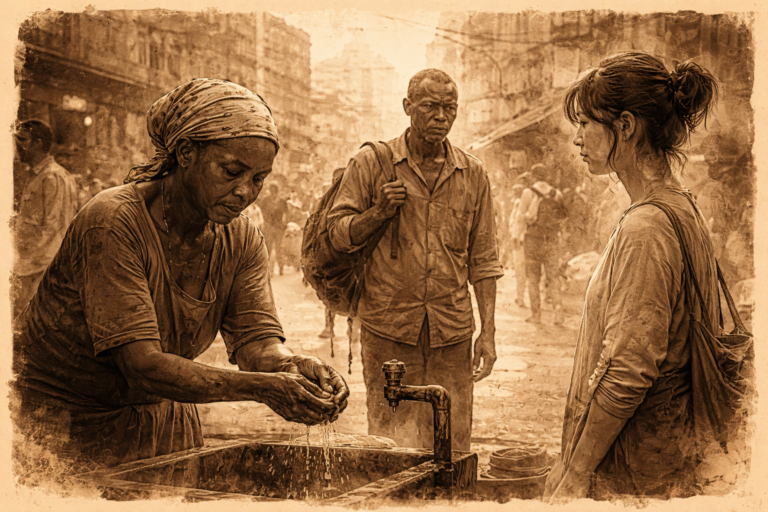
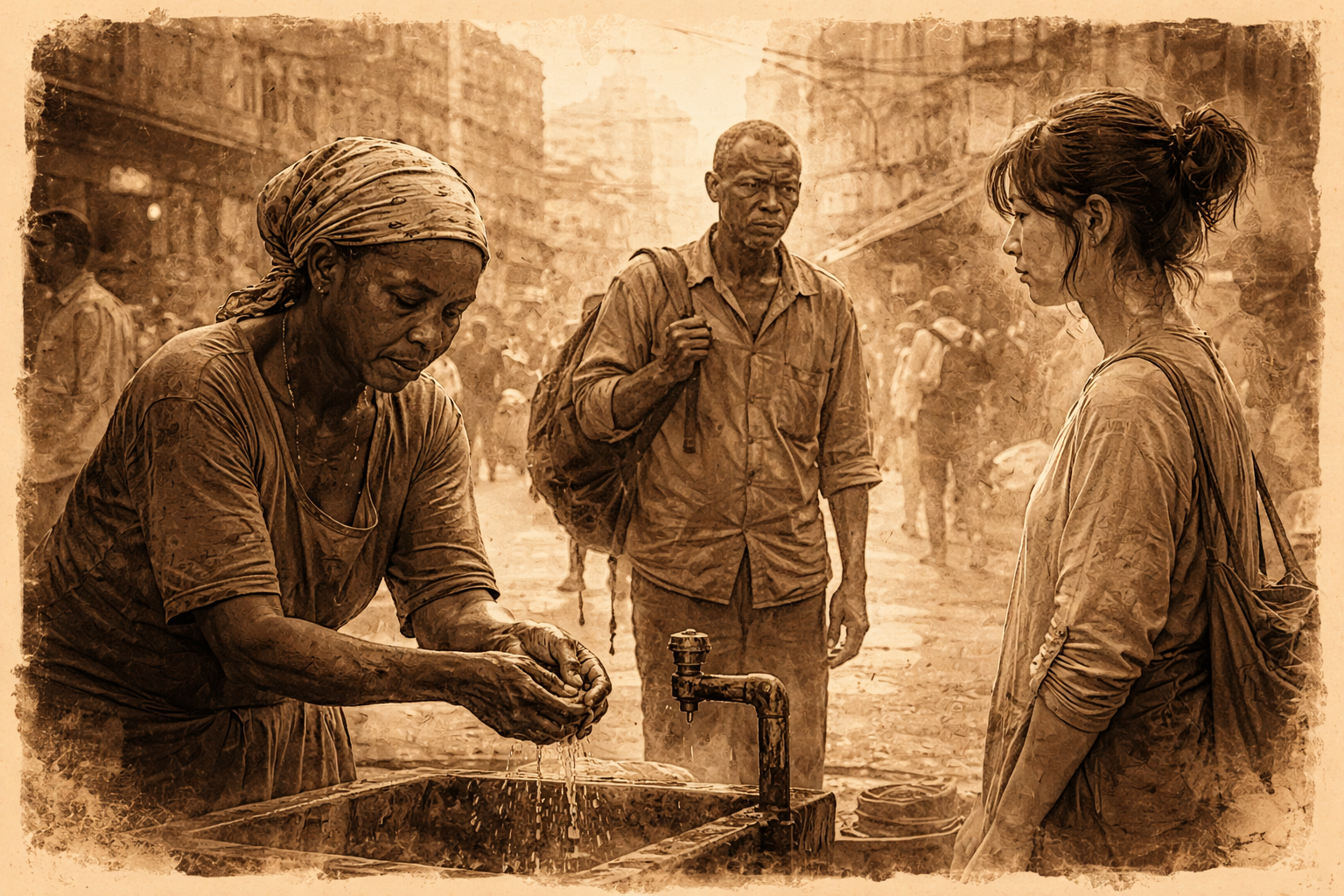
Reality pushes back. Systems reveal their weight. Bureaucracy tightens its grip. Cultural misunderstandings surface. Inequality becomes harder to romanticize. Small daily frictions accumulate. And what once felt like openness begins to feel like resistance.
This is often where people stop.
They label the place as difficult. Dysfunctional. Broken. Or they label themselves as exhausted, incompatible, overwhelmed. The story ends here for many—not because it truly ends, but because staying requires something different than curiosity.
Staying requires patience without guarantees.
What follows, if one remains long enough, is quieter. Less dramatic. And far less Instagrammable.
Understanding doesn’t arrive like a revelation. It seeps in slowly. Through conversations that don’t resolve anything. Through repeated exposure to the same constraints. Through watching how people adapt rather than rebel. How they survive rather than solve.
At this point, judgment softens—not because things suddenly become acceptable, but because they become contextual.
Systems are no longer abstract villains. They are lived inside. Maintained by fear, necessity, habit, and history. People are no longer representatives of a country or culture; they are individuals navigating inherited limitations with varying degrees of grace.
This is where it becomes interesting.
Not exciting. Not easy. Interesting in the way geology is interesting—layers upon layers, shaped by pressure over time.
My daughter noticed this pattern not because I explained it, but because it repeats itself. Movement followed by friction. Friction followed by reflection. Reflection followed by a deeper kind of presence.
Perhaps this rhythm isn’t a flaw in how I move through the world. Perhaps it’s the cost of staying long enough to see beyond surfaces.
Understanding rarely comes without discomfort. And curiosity, if taken seriously, eventually asks us to endure the moment where fascination turns into frustration.
What we do at that threshold—leave, harden, or listen—might say more about us than the places we pass through.
And maybe the most meaningful journeys don’t begin with arrival at all, but with the moment we stop trying to escape what unsettles us.
📝 Text Signal from Inktales
Sometimes a new story appears.
Subscribe to receive a short signal when a new post is live.
No schedules. No extra mail. Only when something is new.
Quietly, you’ll be notified when a new thought appears.