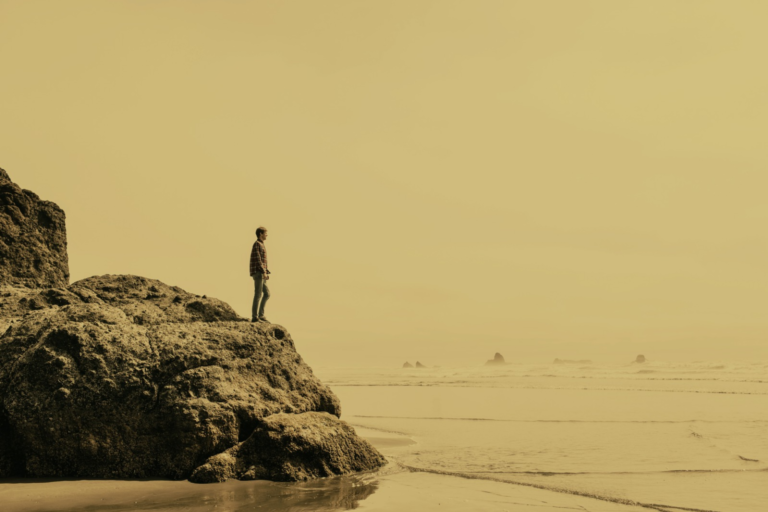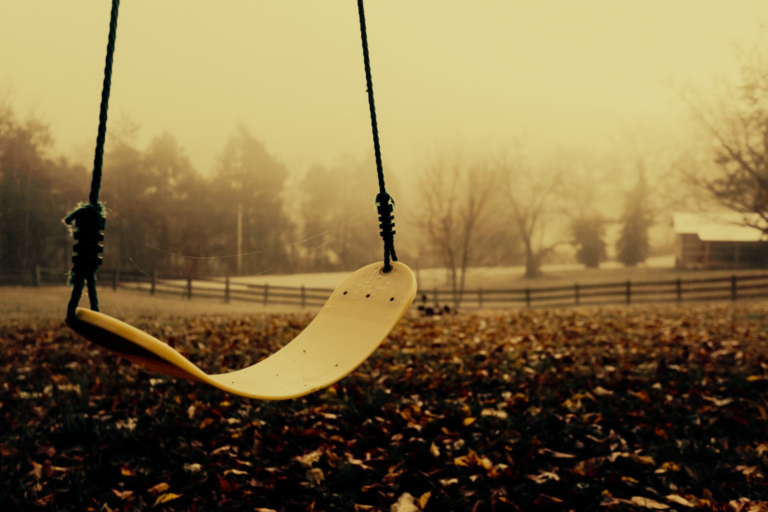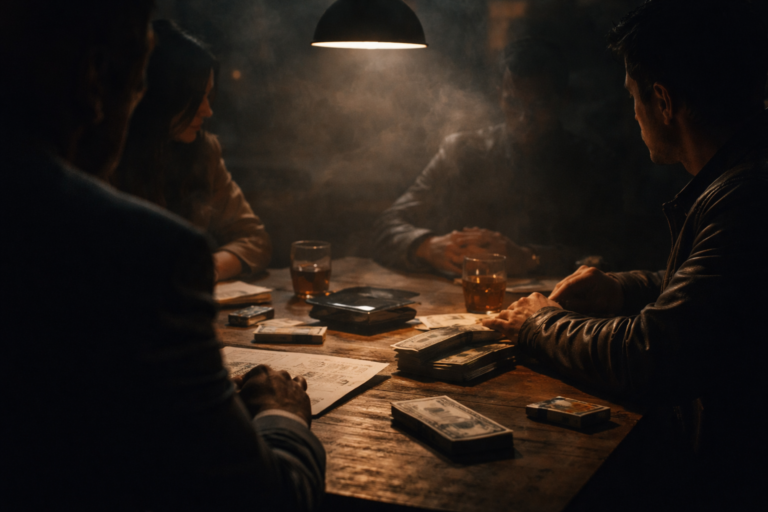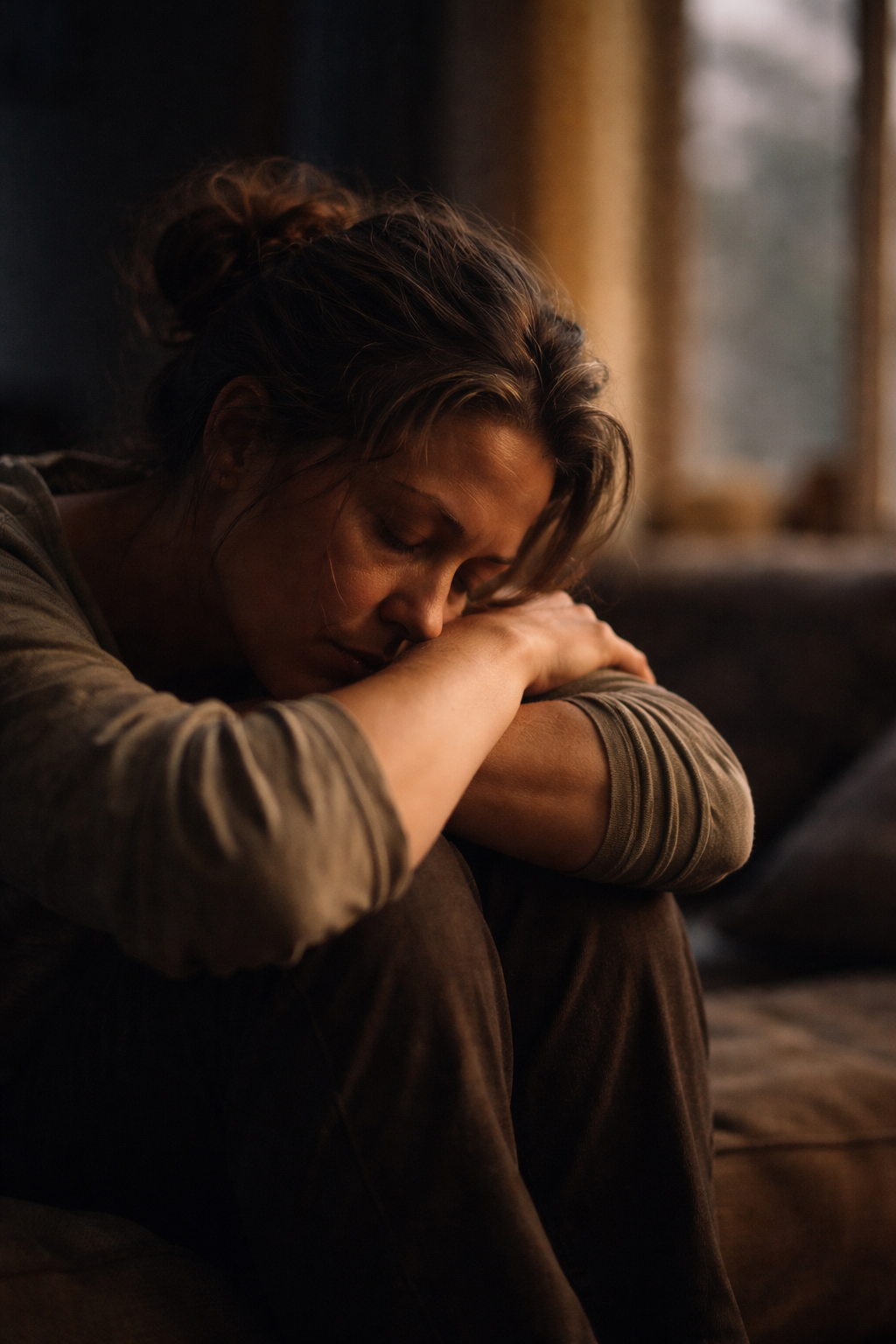
There are lives shaped not by plans, but by alertness.
In certain environments, survival is not dramatic. It is quiet. Repetitive. Practical. You wake up already scanning the day, already prepared for disruption. The body learns before the mind does. Muscles stay slightly tense. Breath remains shallow. Attention is always half a step ahead.
More Inspiration for You
* Amazon Affiliate Links


Over time, this state stops feeling exceptional. It becomes normal.
Survival settles in as a habit.
People who live this way often function remarkably well. They adapt quickly. They read rooms, situations, moods. They make decisions without hesitation. From the outside, it can look like strength, resilience, even calm. And it is — but it is a specific kind of strength, shaped by necessity rather than choice.
What is less visible is what happens when the pressure eases.
When there is no immediate problem to solve, no threat to anticipate, no urgency to respond to — something feels off. Silence becomes unfamiliar. Stillness feels exposed. The body waits for impact that does not arrive.
For those who have lived long in survival mode, calm is not automatically comforting. It can feel empty. Or worse — unsafe.
Not because something is wrong, but because nothing is happening.
Survival creates structure. It tells you where to stand, what matters, what can wait. It simplifies life in a brutal but effective way. There is little room for reflection, doubt, or softness. Feelings become background noise unless they are immediately useful.
Stability, however, asks for something entirely different.
It asks for trust without guarantees. For pauses without purpose. For allowing moments to exist without turning them into strategies. And this is where many feel lost. Not because they cannot live peacefully — but because peace demands a form of presence they were never trained for.
The body remembers what worked. Vigilance kept you alive. Readiness had meaning. Letting go feels like abandoning something essential, even when the danger has passed.
This is why leaving survival mode is rarely dramatic. It is subtle and often uncomfortable. It happens in moments when you do not react. When you resist filling the silence. When you sit with unease without translating it into action.
There is no clear arrival point. No moment where survival ends and healing begins. There is only a gradual widening of space — between stimulus and response, between fear and movement.
Survival may have been necessary. It may still be, at times.
But it is not an identity.
And learning to exist beyond it is not weakness. It is a different kind of courage — quieter, slower, and far less visible.
Perhaps the hardest part is accepting that nothing needs to happen next.
That being here, without alarm, is enough.
📝 Text Signal from Inktales
Sometimes a new story appears.
Subscribe to receive a short signal when a new post is live.
No schedules. No extra mail. Only when something is new.
Quietly, you’ll be notified when a new thought appears.