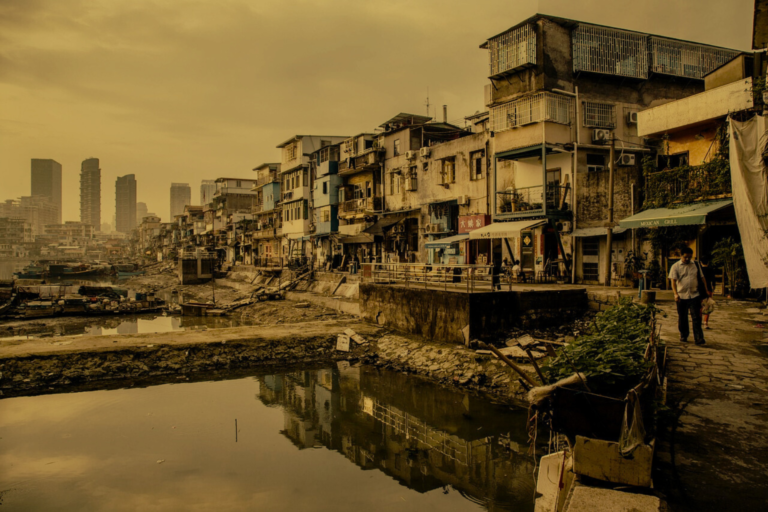
There is an economy that moves silently, unnoticed by ledgers or laws.
It is the economy of care, of small acts that ripple quietly through lives. It does not require contracts, certifications, or bureaucratic approval. It exists in gestures, attention, and the willingness to carry another’s burden without expectation of repayment.
More Inspiration for You
* Amazon Affiliate Links


In some communities, this economy is the lifeline. People trade time, energy, and knowledge in ways that cannot be measured in money. A neighbor shares a meal, not for credit, but because they see need. A friend listens without judgment, not because it is their duty, but because presence matters more than formality. Someone offers shelter, advice, or tools, without ceremony, without public recognition.
These exchanges are fragile. They depend on trust, on empathy, on a shared understanding of what it means to be human. They are also resilient, because they are not bound by rules that can fail. They adapt to circumstances, flex under pressure, and endure when formal systems break.
The quiet economy of care is not always visible to outsiders. It does not appear in statistics or reports. Yet it sustains lives in ways that policy cannot replicate. It teaches that survival is not only about resources, but about attentiveness, generosity, and relational skill.
Participating in this economy requires something different than compliance or efficiency. It asks for observation, patience, and a willingness to act without immediate recognition. It is a form of intelligence not measured by outcomes alone, but by the depth of understanding it fosters.
In this space, people learn to anticipate needs, to read moods and patterns, to respond before crisis arrives. They become attuned to the subtle rhythms of life, to the delicate balance between support and autonomy.
This economy is quiet, but it is profound. It reminds us that human networks are sustained not just by structure or wealth, but by attention, by generosity, and by the willingness to hold space for one another without formal obligation.
Perhaps this is the most essential economy of all — invisible, uncompensated, but enduring.
📝 Text Signal from Inktales
Sometimes a new story appears.
Subscribe to receive a short signal when a new post is live.
No schedules. No extra mail. Only when something is new.
Quietly, you’ll be notified when a new thought appears.