Those who feel the need to control everything have usually, at some point, experienced what happens when control is lost.
That sounds simple. It is, in a way. The drive for control is almost always a direct response to experienced powerlessness.
More Inspiration for You
* Amazon Affiliate Links
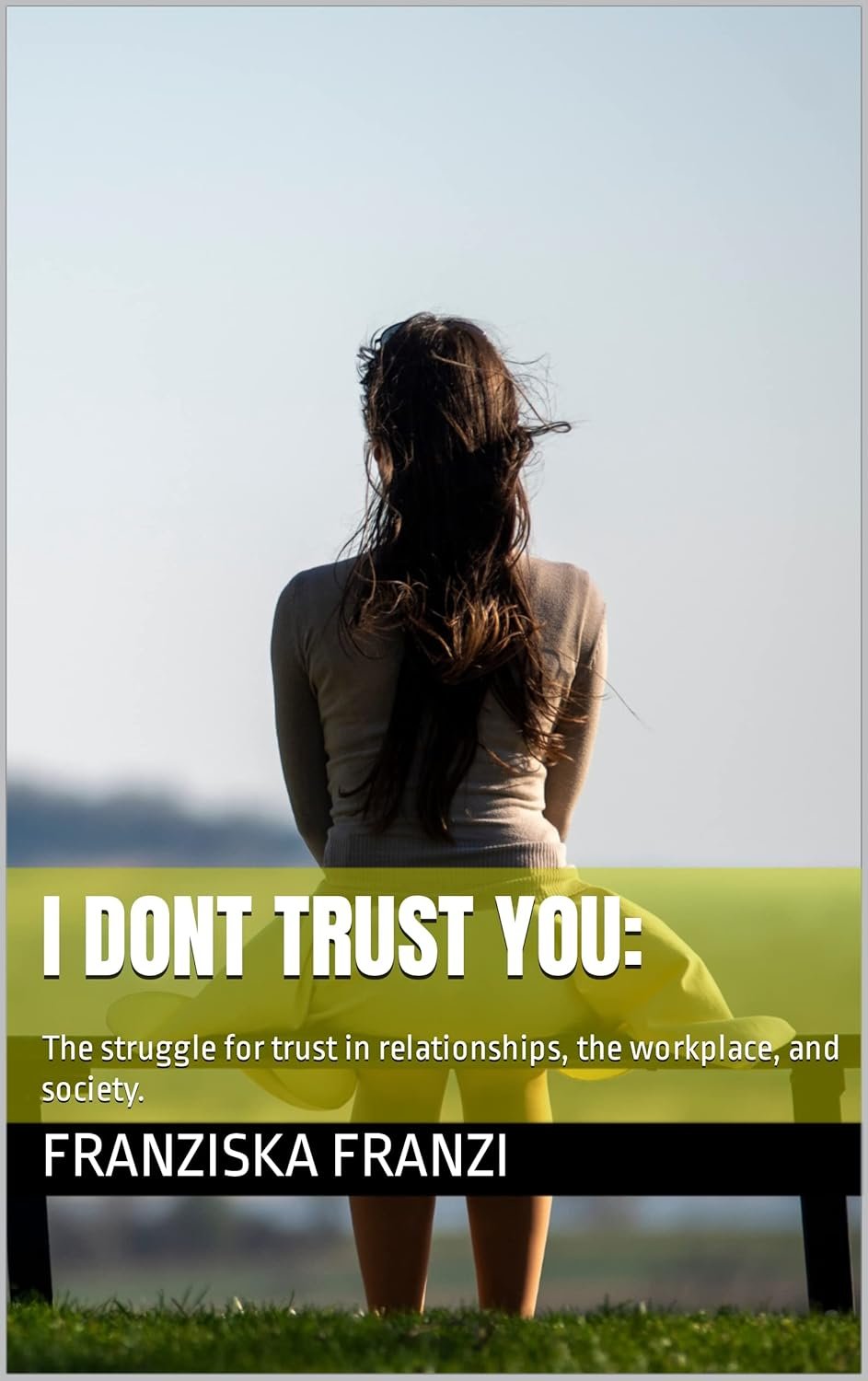


What’s Behind the Need for Control
When things were unpredictable — when the environment was unsafe, relationships unstable, or one’s own situation beyond influence — a person learns a vital lesson: control what you can.
This provides:
- Safety: A buffer against the unexpected.
- Structure: A framework where none was provided.
- Agency: The feeling of having at least something in hand when the larger things in life resist influence.
The problem arises when this pattern extends to situations that don’t require such vigilance. It becomes a reflex — even where letting go would actually be possible.
What Control Prevents
The paradox of control is that while it creates a sense of safety, it also creates a cage. Those who need to control everything often find it impossible to truly trust.
Trust always requires:
- Allowing outcomes to be open.
- Tolerating that things develop without your hand on them.
- Accepting that you cannot predict every outcome.
To someone with a strong need for control, this openness feels like a threat.
The Way Through
The path forward rarely involves “switching off” the need for control. That would only trigger more anxiety. Instead, the way through involves:
- Understanding the source: Recognizing that your need for control was once a very loyal protector.
- Small experiments: Allowing tiny things to develop without interference.
- New experiences: The slow realization that letting go doesn’t always lead to loss. Sometimes, it is the only way to experience genuine relief.
📝 Text Signal from Inktales
Sometimes a new story appears.
Subscribe to receive a short signal when a new post is live.
No schedules. No extra mail. Only when something is new.
Quietly, you’ll be notified when a new thought appears.