There is a certain way of living that can become so familiar that we stop noticing it.
You think before you speak. You read between the lines. You notice changes in someone’s voice. You prepare explanations before anyone has asked a question. You expect disappointment before you allow yourself to hope.
More Inspiration for You
* Amazon Affiliate Links


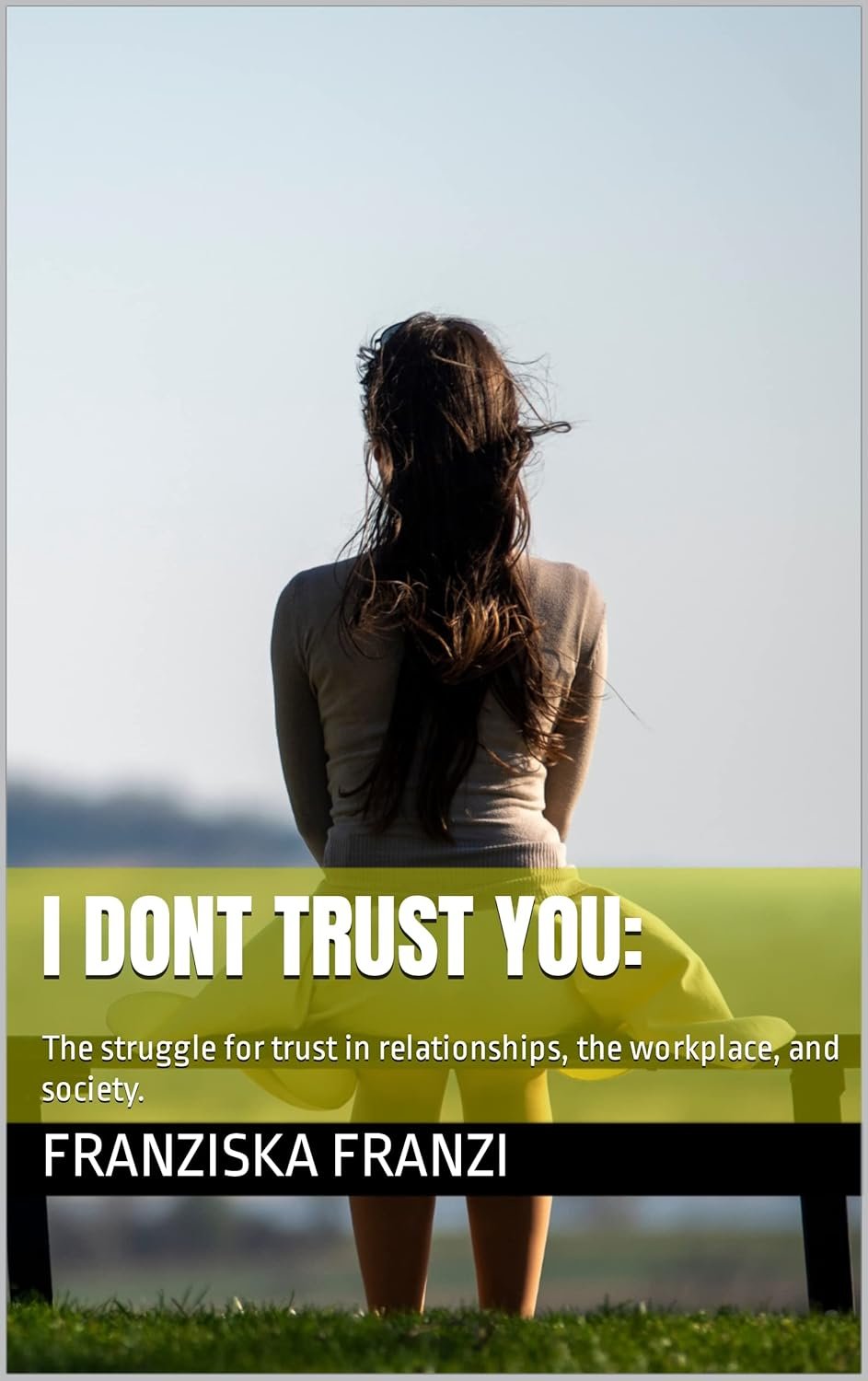
Nothing necessarily looks wrong from the outside.
You are simply careful.
Perhaps too careful.
When life has taught you that things can change without warning, being on guard can feel like wisdom. You learn to anticipate problems because it seems safer to be prepared than to be surprised. You become good at noticing what others might miss.
And for a while, it may even protect you.
But eventually, constant defense becomes exhausting.
You can become so used to protecting yourself that you no longer know what it feels like not to.
You enter a room and immediately notice who is unhappy. You hear a slightly different tone and wonder whether you have done something wrong. Someone takes longer to reply, and your mind begins filling in the silence.
You are not necessarily afraid.
You are simply accustomed to looking for what might go wrong.
There is a difference between being aware and being permanently prepared for danger.
The first can help us.
The second can quietly take over our lives.
Sometimes we carry old ways of protecting ourselves into places where they are no longer needed. We become defensive before anyone has attacked us. We withdraw before anyone can leave. We explain ourselves before anyone has accused us. We expect rejection and then wonder why closeness feels so difficult.
The strange thing is that these habits often began for a reason.
They were not foolish.
They were not weakness.
At some point, they probably made sense.
Maybe staying quiet kept the peace.
Maybe not trusting easily prevented another disappointment.
Maybe always having an escape plan made you feel less helpless.
There is no need to hate those parts of yourself.
They were trying to keep you safe.
But something that once protected you can eventually become something that keeps you from living.
Because a life built entirely around avoiding pain also avoids some of the things that make life meaningful.
Closeness requires a little vulnerability.
Trust requires uncertainty.
Love means accepting that you cannot control another person’s choices.
Even ordinary happiness carries a small risk, because the moment we care about something, we give it the possibility of hurting us.
You cannot remove that risk completely.
And perhaps you were never meant to.
Learning to live without constant defense does not mean becoming careless. It does not mean ignoring warning signs or allowing everyone into your life.
It means learning the difference between a real threat and an old alarm.
That difference can take time.
Sometimes someone is simply quiet.
Sometimes a delayed message is just a delayed message.
Sometimes a disagreement is only a disagreement.
Sometimes someone loves you without secretly preparing to leave.
The mind does not always believe these things immediately.
It may still search for the hidden meaning.
But perhaps peace begins when you can notice that impulse without automatically following it.
You can think, Something feels wrong, and wait before deciding that something is wrong.
You can feel the urge to withdraw and ask yourself whether you actually want distance or whether you are simply afraid of being disappointed.
You can leave room for another possibility.
That is not weakness.
It is a form of trust.
Not necessarily trust in another person.
Trust in yourself.
Trust that if something genuinely goes wrong, you will be able to deal with it when it happens.
You do not have to experience tomorrow’s pain today just because it might come.
There is something deeply tiring about constantly living in preparation for a future that may never happen.
Perhaps you are allowed to put the armor down sometimes.
Not forever.
Not with everyone.
Just enough to notice what the world feels like when you are not constantly trying to protect yourself from it.
Maybe you will discover that some people are safe.
That some relationships do not require constant interpretation.
That you can make a mistake without being abandoned.
That you can say what you need without having to prepare a ten-minute explanation first.
And perhaps you will discover something else, too.
You may have spent so much time asking whether other people are safe that you forgot to ask whether you feel safe inside your own life.
That question can change a lot.
Because eventually, safety may no longer mean knowing that nothing bad will happen.
Maybe it means knowing that whatever happens, you will not abandon yourself.
You will speak when you need to speak.
You will leave when you need to leave.
You will stay when staying is right.
And you will no longer need to live every ordinary moment as though it were a battle you have to win.
There is a softness that can come with that.
Not weakness.
Not naivety.
Just the quiet realization that you are allowed to live some days without defending yourself.
Perhaps that is what healing looks like sometimes.
Not learning how to fight better.
But finally realizing that you do not have to fight everything.
📝 Text Signal from Inktales
Sometimes a new story appears.
Subscribe to receive a short signal when a new post is live.
No schedules. No extra mail. Only when something is new.
Quietly, you’ll be notified when a new thought appears.