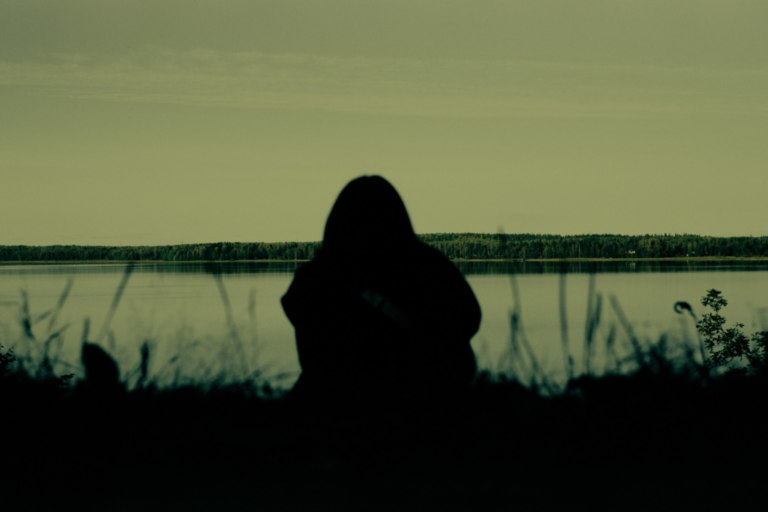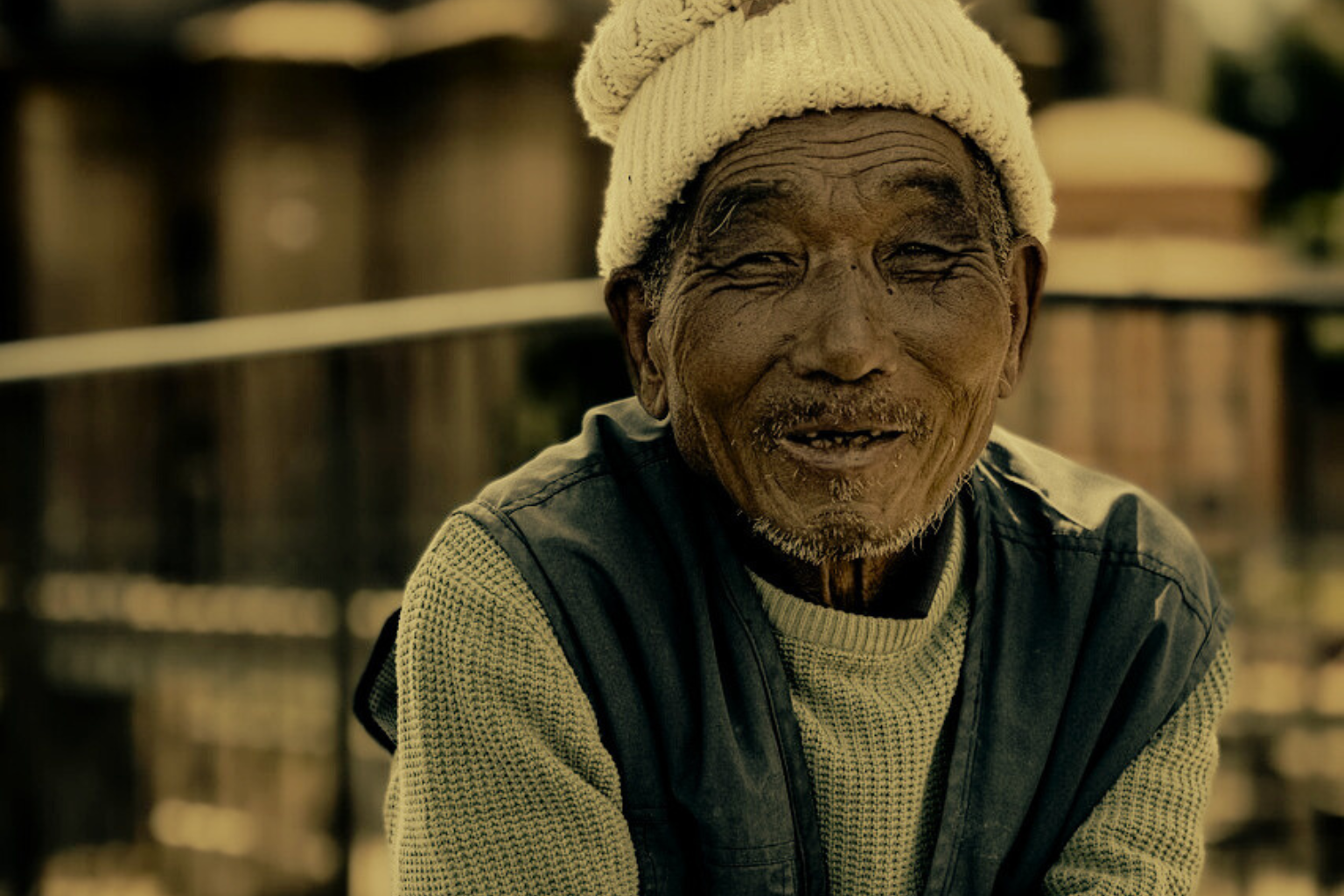
Waiting shapes life quietly but relentlessly. Electricity is inconsistent, water arrives late, jobs are uncertain, and promises of fairness or support are delayed. For those living under these conditions, every day is a careful calculation: how to make resources last, how to adjust expectations, how to navigate a system that rarely delivers on time.
The effect is subtle but constant. Children grow up learning patience as a survival skill. Adults measure every decision against the possibility that what is needed may not arrive at all. Frustration and fatigue accumulate quietly, shaping routines and resilience.
More Inspiration for You
* Amazon Affiliate Links



Even well-meaning aid or programs encounter this reality. Timing is critical, and without understanding the rhythms of daily life, assistance can fail to reach its full effect. The challenge is not the lack of effort—it is understanding how absence and delay have become part of survival itself.
Yet people continue. They adapt, improvise, and endure, finding strategies to manage uncertainty and scarcity. Waiting becomes more than a challenge—it becomes a skill. Recognizing this quiet pressure helps outsiders and insiders alike understand how persistence, patience, and careful planning are central to life in a world where support often comes later than needed.
📝 Text Signal from Inktales
Sometimes a new story appears.
Subscribe to receive a short signal when a new post is live.
No schedules. No extra mail. Only when something is new.
Quietly, you’ll be notified when a new thought appears.