What a quiet scene from “The Passenger” teaches us about freedom
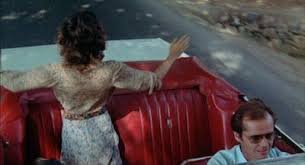
There is a quiet, almost incidental scene in the film “The Passenger” (1975) by Michelangelo Antonioni that speaks more about freedom than many grand monologues ever could.
A man is driving a convertible. The road stretches ahead like an avenue, calm and open. A woman sits in the back seat. After a moment of silence, she speaks.
“May I ask one question? Just one.”
He nods.
“What are you running away from?”
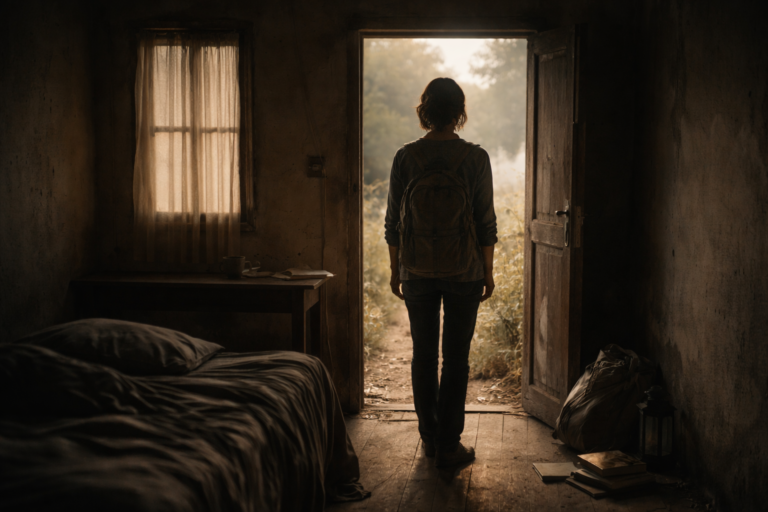
It is a question often directed at people who are constantly on the move. At those who do not anchor their lives firmly. Who choose motion over permanence. Who don’t explain much, don’t plan loudly, but keep going.
The man does not answer with words.
Instead, he asks her to turn around.
She looks back — and sees nothing threatening. No pursuers. No chaos. Just the road behind them. The avenue they have already traveled. Space. Calm. Continuity.
In that moment, she begins to laugh.
Not mockingly, but with recognition.
Because she understands.
He is not running away.
He is moving forward.
Antonioni captures something essential in this small exchange. How quickly movement is mistaken for escape. How often mobility is interpreted as avoidance. And how deeply flawed that assumption can be.
Some people leave structures not because they are afraid, but because they are attentive. Not because they must flee something behind them, but because they can see something ahead.
The scene offers no explanation. It does not justify the man’s life. It does not defend his choices. It simply shifts perspective.
And that is precisely where its power lies.
We live in a culture that equates staying with stability and leaving with failure. Where movement is suspect unless it leads upward, faster, or visibly “somewhere.”
But there are forms of movement that are neither escape nor ambition.
They are alignment.
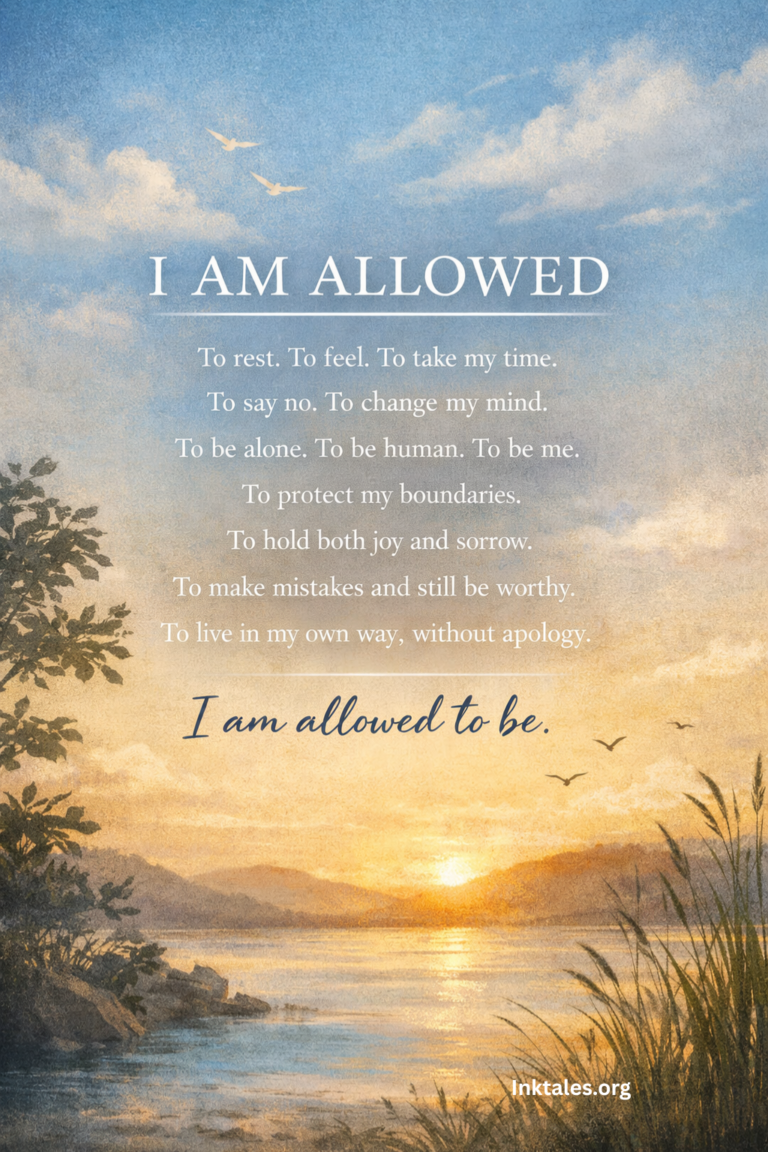
A quiet agreement with oneself not to remain where something feels false, heavy, or finished.
To move does not always mean to avoid responsibility. Sometimes it means taking responsibility for one’s own inner truth — without asking permission.
The man in the car does not defend himself. He does not correct the question. He simply shows her the road behind them.
And that is enough.
Because once you see that nothing is chasing you, the meaning of movement changes.
It is no longer flight.
It is direction.
📝 Text Signal from Inktales
Sometimes a new story appears.
Subscribe to receive a short signal when a new post is live.
No schedules. No extra mail. Only when something is new.
Quietly, you’ll be notified when a new thought appears.