Why calm can feel unfamiliar
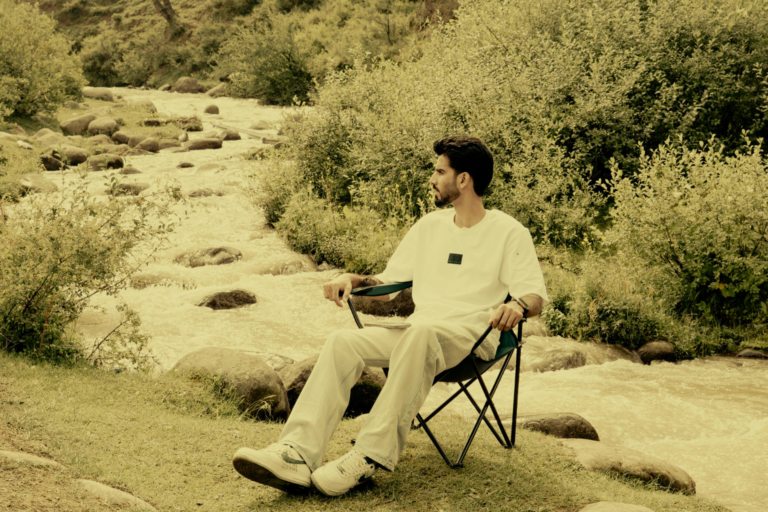
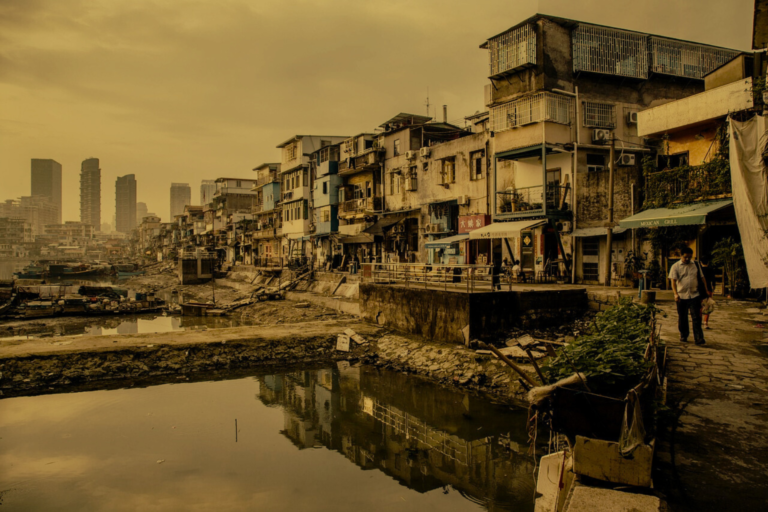
After living through turbulence, the stillness of stability can feel foreign. The body expects threat, the mind anticipates disruption, and yet nothing comes. Every quiet moment holds a whisper of unease.
Chaos teaches alertness. It conditions nerves to respond to danger, to notice every shift in tone, shadow, or movement. But when that pressure is removed, the same awareness can feel like restlessness, even fear.
More Inspiration for You
* Amazon Affiliate Links



Some avoid stability, unconsciously, because it demands a trust they have not yet rebuilt. The predictability that others find comforting may feel like a cage. Freedom is familiar, structure is not.
Learning to inhabit calm is a subtle, ongoing process. It does not erase the imprint of chaos; it coexists with it. Stability is not a guarantee of peace, but a canvas upon which inner equilibrium can slowly be painted.
Recognizing that tension is natural allows it to soften. The body, once attuned to danger, begins to learn a new rhythm. The mind, once scanning for disruption, allows space for presence. Calm is not passive—it is a practice, as deliberate as any survival skill.
Stability after chaos does not arrive fully formed. It is grown. It is learned. And it is fragile, precious, and profoundly human.
📝 Text Signal from Inktales
Sometimes a new story appears.
Subscribe to receive a short signal when a new post is live.
No schedules. No extra mail. Only when something is new.
Quietly, you’ll be notified when a new thought appears.