In dangerous environments, reflection rarely looks like contemplation.
There is no sitting down. No distance. No safety from which to think clearly. Reflection happens while standing. While listening. While watching the smallest shifts in tone, movement, and mood.
More Inspiration for You
* Amazon Affiliate Links
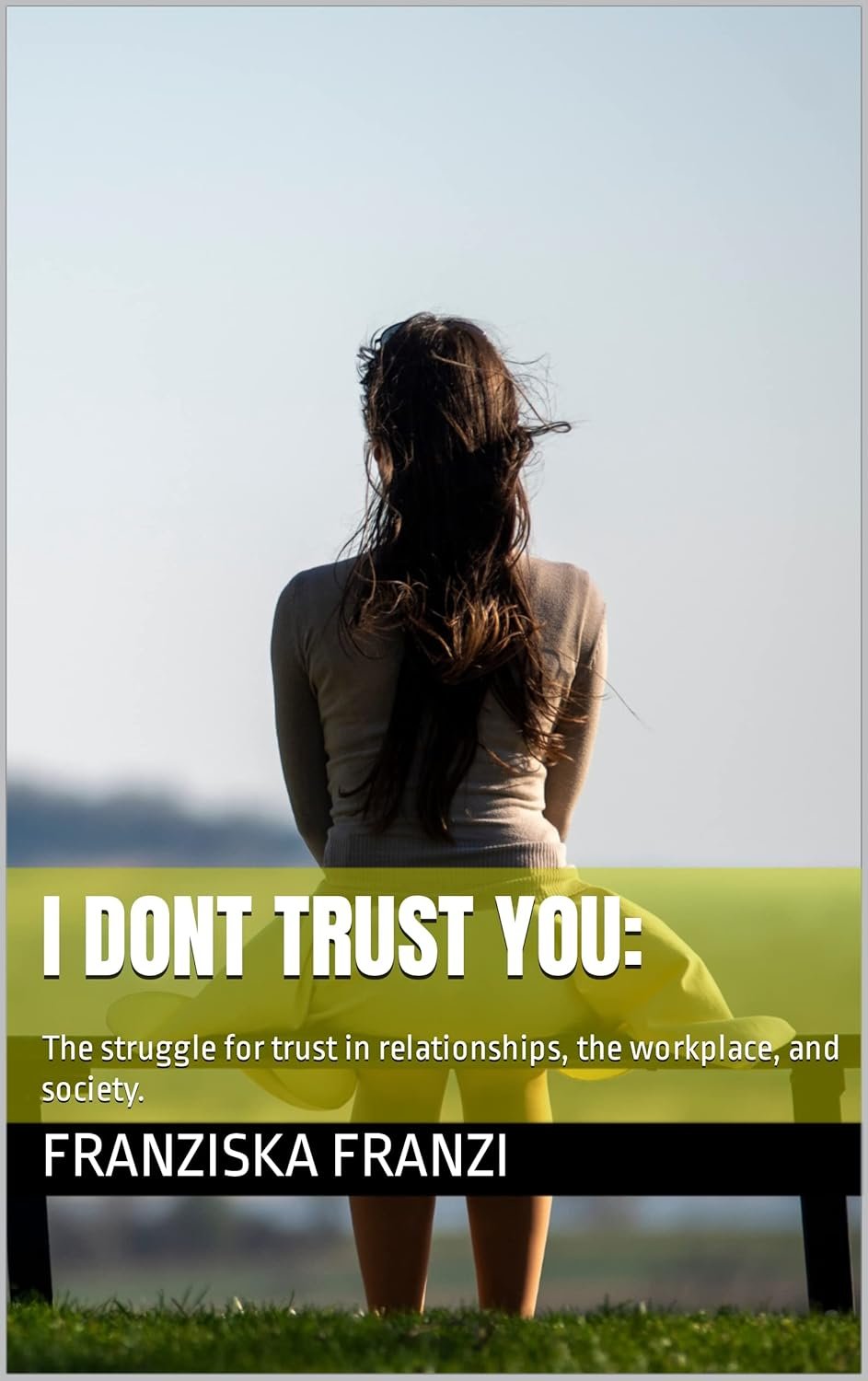


The pause between storms is not calm. It is alert.
People who live close to instability learn that action is not always strength. Sometimes, the most decisive choice is restraint. Not because of fear, but because timing matters more than intention.
In these spaces, storms are not metaphors. They arrive as conflict, authority, hunger, misunderstanding, or sudden change. They come fast, leave damage, and rarely announce themselves.
Between them lies a narrow window.
This pause is not empty. It is filled with quiet calculations. Who is watching? What has shifted? What remains unchanged? The body senses what the mind cannot yet articulate.
Reflection here is physical. A held breath. A delayed step. A decision not to speak, not to move, not to insist.
Those unfamiliar with danger often mistake this pause for passivity. For hesitation. For weakness. But in unstable environments, impulsive clarity can be more dangerous than uncertainty.
The pause allows patterns to surface. It separates noise from signal. It makes room for consequences to be seen—not fully, but enough.
People who survive long-term instability learn to trust this interval. They do not rush to restore order. They wait to understand which storm has actually passed—and which one is still forming.
This kind of reflection leaves no visible trace. There is no proof of wisdom. Only outcomes that appear uneventful: avoided conflict, delayed harm, preserved energy.
The pause between storms does not promise safety. It offers alignment.
And sometimes, alignment is the only protection available.
📝 Text Signal from Inktales
Sometimes a new story appears.
Subscribe to receive a short signal when a new post is live.
No schedules. No extra mail. Only when something is new.
Quietly, you’ll be notified when a new thought appears.